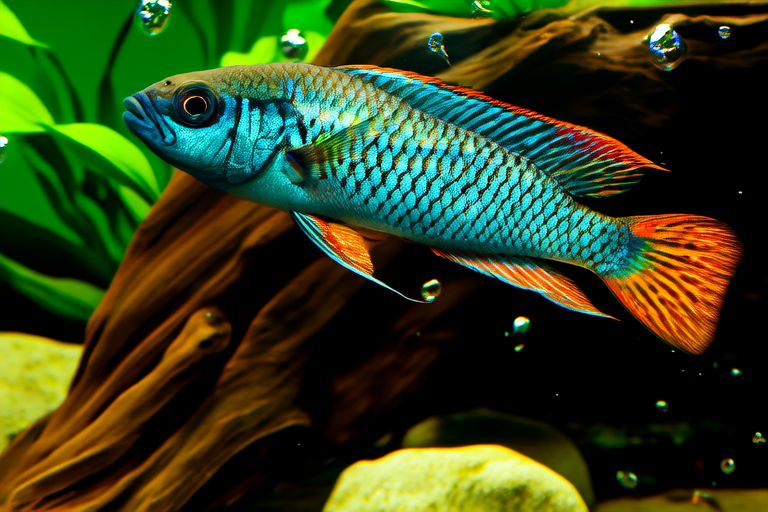
Top 7 Secrets for Keeping Your Rajah Cichlid Thriving at Home
The Rajah Cichlid, scientifically known as Aequidens rivulatus, is a captivating species that can add vibrant color and lively behavior to any aquarium. Native to the waters of Guyana and Brazil, this fish is a favorite among cichlid enthusiasts due to its striking appearance and engaging behavior. However, like many cichlids, it has specific care requirements that, when met, ensure its health and longevity. This article will guide you through the top seven secrets for keeping your Rajah Cichlid thriving at home.
1. Optimal Tank Setup
Creating an ideal habitat for your Rajah Cichlid involves more than just filling a tank with water. The tank should be spacious, preferably no smaller than 55 gallons, to accommodate the active nature of this fish. A larger tank also provides more stability for water parameters, which is crucial for maintaining a healthy environment.
Substrate selection is important. Gravel or sand can be used, but avoid sharp-edged substrates that could injure your fish. Adding plenty of rocks and caves provides hiding spots and territorial boundaries, which are essential for reducing stress and promoting natural behaviors. Plants, particularly robust varieties like Amazon Swords or Anubias, can enhance the tank’s aesthetics while offering additional shelter.
Proper filtration is non-negotiable. A high-quality filter that supports biological, mechanical, and chemical filtration ensures clean water and removes waste products efficiently. Additionally, adequate water circulation helps prevent dead zones where harmful bacteria can thrive.
2. Water Conditions
Rajah Cichlids prefer slightly acidic to neutral water with a pH range of 6.0 to 7.5. Maintaining this pH level requires regular testing and possibly the addition of pH buffers. The hardness of the water should be between 5 and 15 dGH, mimicking the soft, slightly acidic waters of their natural habitat.
Temperature control is vital, as Rajah Cichlids thrive in temperatures ranging from 75°F to 82°F (24°C to 28°C). Use a reliable heater and thermometer to monitor and maintain these conditions consistently. Regular water changes—about 20% weekly—are necessary to keep the water clean and free from toxins.
3. Diet and Feeding
Feeding your Rajah Cichlid a balanced diet is key to its well-being. These fish are omnivorous, meaning they eat both plant matter and small animals. A varied diet including high-quality flake foods, pellets, frozen or live foods such as bloodworms, brine shrimp, and daphnia, ensures nutritional completeness.
Feed your Rajah Cichlid two to three times daily, providing only what they can consume within a few minutes. Overfeeding can lead to poor water quality and health issues. Additionally, occasional supplementation with fresh vegetables like zucchini or spinach can provide beneficial nutrients.
4. Tank Mates Compatibility
Selecting appropriate tank mates for your Rajah Cichlid is critical. Due to their territorial nature, they are best kept with similar-sized, equally robust fish. Good companions include other cichlids like Angelfish, Severums, or even other Rajah Cichlids, provided there is ample space and structure for territories.
Avoid housing them with slow-moving or delicate fish, as the Rajah Cichlid might see them as potential prey or become aggressive towards them. Always introduce new fish gradually and monitor their interactions closely to ensure compatibility.
5. Disease Prevention
Prevention is better than cure when it comes to fish health. Regular maintenance practices such as frequent water changes, proper feeding, and monitoring water parameters significantly reduce the risk of diseases.
Observe your fish regularly for signs of illness, such as lethargy, loss of appetite, or unusual spots or lesions. Early detection and treatment are crucial. Quarantine new additions to the tank before introducing them to the main aquarium to prevent the spread of pathogens.
6. Behavioral Insights
Rajah Cichlids are known for their active and sometimes aggressive behavior. They exhibit complex social interactions, especially during breeding periods, where males may become highly territorial and display vivid colors. Understanding these behaviors helps in managing their environment and ensuring their well-being.
Providing sufficient hiding spots and territories within the tank can mitigate aggression and stress. It’s also beneficial to have multiple visual barriers within the tank to reduce confrontations. Observing their behavior closely allows you to anticipate potential issues and intervene promptly.
7. Breeding Tips
Breeding Rajah Cichlids can be rewarding, though it requires specific conditions. To encourage spawning, increase the water temperature slightly to around 80°F (27°C) and adjust the lighting cycle to mimic seasonal changes.
During breeding, the pair will establish a territory and clean a flat surface, typically a rock or plate, where the female will lay her eggs. Both parents guard the eggs and newly hatched fry. Once the fry are free-swimming, they can be fed infusoria or microworms until they are large enough to eat crushed flakes or baby brine shrimp.
Separating the breeding pair after spawning can prevent post-spawning aggression. Providing a separate tank for the fry ensures their safety and allows them to grow without interference from adult fish.
Conclusion
Keeping Rajah Cichlids thriving at home requires attention to detail and commitment to their unique needs. By setting up an optimal tank, maintaining ideal water conditions, providing a balanced diet, choosing compatible tank mates, preventing diseases, understanding their behavior, and considering breeding, you can create a flourishing environment for your Rajah Cichlids. With these secrets, you’ll be well on your way to enjoying the beauty and vitality of these fascinating fish.
