From Fin to Scale: All You Need to Know About Betta Care
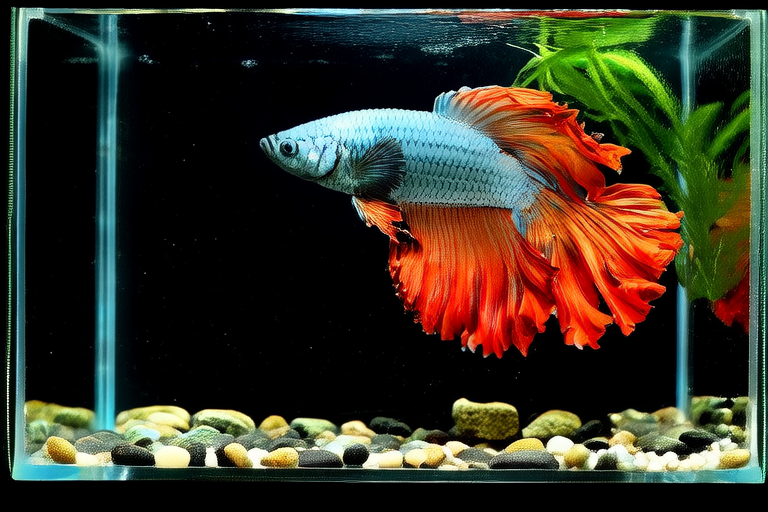
Welcome to the fascinating world of Betta care! These vibrant and unique fish have captured the hearts of aquarium enthusiasts worldwide. Known for their striking colors and flowing fins, Bettas are often referred to as Siamese fighting fish due to their aggressive nature, especially towards other males of their species. Despite this reputation, they are gentle and peaceful when kept alone or with compatible tank mates. Their intelligence and lively behavior make them a joy to observe, making them a popular choice for both novice and experienced aquarists.
Setting Up the Ideal Tank Environment
The first step in providing optimal care for your Betta is creating a suitable living space. While Bettas can survive in small containers, they thrive in larger tanks that allow for more swimming space and better filtration. A minimum tank size of 5 gallons is recommended for a single Betta. The tank should be equipped with a filter to maintain water quality and prevent the buildup of harmful toxins. However, ensure the filter flow isn’t too strong, as Bettas prefer calm waters.
Substrate, or the bottom layer of the tank, can be gravel, sand, or even bare-bottomed if you prefer easier cleaning. Plants and rocks are essential for providing hiding spots and enhancing the aesthetic appeal of the tank. Live plants offer additional benefits by producing oxygen and absorbing nitrates. Common choices include Java ferns, Amazon swords, and Anubias. Decorative elements like caves and tunnels can also add visual interest and stimulate natural behaviors in your Betta.
Water Parameters Crucial for Their Health
Maintaining proper water conditions is vital for the well-being of your Betta. Water temperature should be between 76°F and 82°F (24°C to 28°C), closely mimicking their native tropical environments. A thermometer placed inside the tank will help monitor and regulate temperature.
pH levels should ideally range from 6.5 to 7.5, slightly acidic to neutral. Regular testing using pH test kits ensures stable conditions. Ammonia and nitrite levels should always be at zero, while nitrate levels should be kept below 20 ppm. Weekly partial water changes of around 20-30% help control these parameters and remove accumulated waste.
Adequate aeration is crucial, as Bettas rely on surface oxygenation. An air stone or gentle bubble movement from the filter will suffice. Avoid overcrowding the tank with too many decorations or plants, which can impede oxygen exchange.
Diet Specifics
Bettas are carnivorous and require a protein-rich diet to stay healthy and vibrant. High-quality Betta pellets and flakes are excellent staple foods, providing essential nutrients. Supplement their diet with live or frozen foods such as bloodworms, brine shrimp, and daphnia to encourage natural feeding behaviors and enhance coloration. Feed your Betta twice daily, offering only what they can consume within a few minutes to prevent overfeeding.
It’s important to avoid overfeeding, as excess food can degrade water quality and lead to health issues. Monitor your Betta’s appetite and adjust feeding amounts accordingly. Variety in their diet not only supports their nutritional needs but also keeps them engaged and interested in mealtime.
Common Diseases to Watch Out For
Like all aquatic pets, Bettas are susceptible to certain health issues. One of the most common is fin rot, characterized by frayed, discolored, or decaying fins. This condition is often caused by poor water quality or bacterial infections. Prompt action, including improving water conditions and treating with appropriate medications, is necessary to prevent further deterioration.
Ich, or white spot disease, manifests as tiny white dots on the body and fins. It is typically triggered by sudden temperature changes or stress. Increasing water temperature to about 86°F (30°C) for a few days can help eliminate Ich. Other signs of illness include lethargy, loss of appetite, and abnormal swimming patterns. Regular observation and early intervention are key to maintaining your Betta’s health.
Tips for Maintaining a Healthy Betta
To keep your Betta happy and thriving, follow these simple tips:
- Perform regular water changes and monitor water parameters.
- Provide a varied diet and ensure proper nutrition.
- Keep the tank clean and free from debris.
- Minimize stress by avoiding sudden loud noises or movements near the tank.
- Introduce new tank mates gradually and carefully observe interactions.
Regular interaction and gentle handling can also strengthen the bond between you and your Betta. They can become quite responsive and may even recognize their owner.
The Importance of Tank Mates and Decorations
Choosing appropriate tank mates is crucial for maintaining harmony in your Betta’s environment. Due to their territorial nature, male Bettas should not be housed together. Females can sometimes coexist in groups known as sororities, provided there is ample space and hiding spots.
Incompatible tank mates, such as aggressive species or those that nip fins, should be avoided. Peaceful companions like mollies, guppies, and small tetras can coexist harmoniously with Bettas. Always research potential tank mates thoroughly before introducing them to your Betta’s habitat.
Decorations not only beautify the tank but also serve functional purposes. They provide hiding places and resting spots, reducing stress and promoting natural behaviors. Choose durable and non-toxic materials to ensure safety for your Betta. Incorporating floating plants can mimic their natural habitat and offer additional surface area for oxygen exchange.
Advice for New Owners
Caring for a Betta can be a rewarding experience, but it requires commitment and knowledge. Begin by researching extensively and preparing adequately. Select a reputable pet store or breeder to purchase your Betta, ensuring they come from healthy stock. Take time to acclimate your new Betta to its environment gradually to minimize stress.
Patience is key as you observe and learn about your Betta’s unique personality and preferences. Each Betta is different, and understanding their individual needs will enhance your relationship. With proper care and attention, you’ll enjoy watching your Betta flourish and bring life and beauty to your home.
In conclusion, caring for a Betta is an enriching journey filled with discovery and joy. By providing a nurturing environment, a balanced diet, and attentive care, you can ensure your Betta leads a long, healthy, and colorful life. Embrace the adventure of becoming a Betta owner, and savor the rewarding experience of witnessing the vibrant dance of these captivating creatures.
