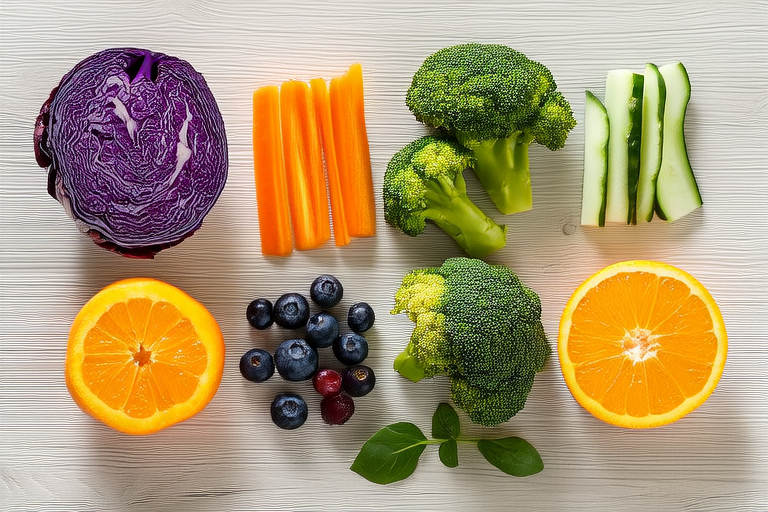
Top 10 Foods That Will Make Your Guinea Pig Jump for Joy
Welcome to the delightful world of guinea pig care! As a responsible pet owner, understanding the dietary needs of your furry friend is crucial for their overall health and happiness. Guinea pigs, also known as cavies, require a well-balanced diet that includes a variety of fresh vegetables, fruits, and hay. One of the most important nutrients in a guinea pig’s diet is vitamin C, which they cannot produce on their own. This essential vitamin helps prevent scurvy, a disease that can cause joint pain, swollen limbs, and difficulty moving. Ensuring your guinea pig gets enough vitamin C through their diet is vital for their wellbeing.
1. Bell Peppers
Bell peppers are a fantastic source of vitamin C, making them an excellent addition to your guinea pig’s diet. Just one small bell pepper can provide more than 100% of the daily recommended intake of this crucial nutrient. The vibrant color of bell peppers also adds a visual treat to your pet’s mealtime, enhancing their enjoyment. Offer bell peppers 2-3 times per week, but be cautious not to overfeed, as too much can lead to digestive issues.
2. Kale
Kale is another leafy green that is packed with nutrients, including calcium and vitamin C. It’s great for promoting strong bones and teeth in guinea pigs. However, due to its high calcium content, it should be given in moderation to avoid potential bladder stones. A small portion of kale once or twice a week is ideal.
3. Carrots
Carrots are a sweet treat that guinea pigs love. They are rich in beta-carotene, which the body converts into vitamin A, supporting good vision and skin health. However, carrots are high in sugar, so they should be given sparingly, no more than once a week, to avoid dental problems.
4. Apples
Apples offer a burst of natural sweetness and are a good source of fiber and vitamin C. They can be a refreshing change from everyday greens. Be sure to remove the seeds and core, as these contain trace amounts of cyanide, which can be harmful. Offer slices of apple as a special treat 1-2 times per week.
5. Broccoli
This cruciferous vegetable is packed with vitamins A, C, and K, along with folate and fiber. It promotes healthy digestion and a robust immune system. However, broccoli can cause gas if consumed in excess, so limit its inclusion to 2-3 times a week.
6. Romaine Lettuce
Romaine lettuce is a safe and nutritious option for guinea pigs, providing hydration and essential vitamins. Unlike iceberg lettuce, which has little nutritional value, romaine lettuce offers a good balance of nutrients. It’s best to offer romaine lettuce several times a week as part of a varied diet.
7. Parsley
Parsley is not only a garnish for your meals but also a superfood for guinea pigs. It’s rich in vitamin C and antioxidants, helping to boost immunity. A few sprigs of parsley added to your pet’s diet 2-3 times a week can make a significant difference in their health.
8. Dandelion Greens
Dandelion greens are highly nutritious, containing vitamins A, C, and K, as well as calcium and potassium. They support liver function and promote healthy digestion. However, because of their high calcium content, they should be fed in moderation, around 2-3 times a week.
9. Spinach
Spinach is another leafy green that is high in iron, calcium, and vitamins A and C. It aids in blood production and bone health. However, like other greens with high oxalate content, spinach should be limited to 2-3 times a week to prevent the formation of bladder stones.
10. Cucumber
Cucumbers are hydrating and low in calories, making them a perfect snack for hot days. They are also rich in vitamins K and C, contributing to strong bones and a healthy immune system. Offer cucumber slices as a refreshing treat 2-3 times a week.
Observing Your Guinea Pig’s Reactions
Introducing new foods to your guinea pig’s diet should always be done gradually. Watch closely for any signs of discomfort or allergic reactions, such as diarrhea, bloating, or loss of appetite. If you notice any of these symptoms, discontinue the food immediately and consult with a veterinarian. Adjusting your guinea pig’s diet based on their reactions ensures they remain healthy and happy.
In conclusion, providing a diverse and nutritious diet for your guinea pig is key to their longevity and wellbeing. By incorporating these top 10 foods into their weekly menu, you’ll ensure your pet enjoys a variety of flavors while maintaining optimal health. Remember, every guinea pig is unique, so pay attention to their preferences and adjust their diet accordingly. Happy feeding!
