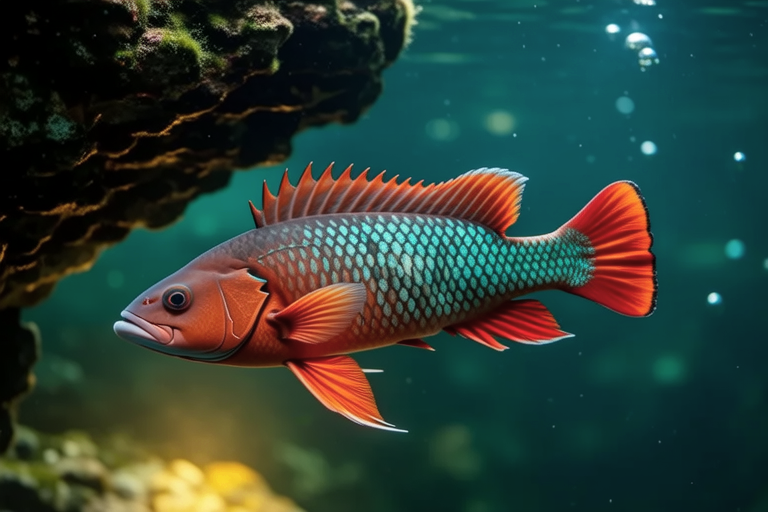
Rajah Cichlids: A Comprehensive Guide
The world of cichlids is vast and diverse, offering enthusiasts an array of stunning fish to choose from. Among these, the Rajah Cichlid stands out as a particularly captivating species. Known scientifically as Apistogramma cacatuoides, this small but vibrant cichlid hails from the Amazon River basin in South America. With its striking colors and unique behaviors, the Rajah Cichlid is a favorite among both novice and experienced aquarists. This guide will delve into the fascinating world of Rajah Cichlids, exploring their unique characteristics, care requirements, and behaviors.
Unique Characteristics of Rajah Cichlids
Rajah Cichlids are known for their striking appearance, with males exhibiting particularly vivid colors. The males typically display a deep red or orange body, accented by blue or green spots. Their fins are often adorned with intricate patterns, adding to their overall beauty. Females, while less colorful, still possess a certain charm with their more subdued hues and graceful movements. These fish are relatively small, reaching lengths of about 2 inches (5 cm), making them suitable for smaller aquariums.
One of the most distinctive features of Rajah Cichlids is their labyrinth organ. This specialized respiratory structure allows them to breathe air directly from the surface, which is particularly useful in their natural habitat where oxygen levels can be low. This adaptation also makes them somewhat tolerant of less-than-ideal water conditions, though maintaining optimal parameters is still crucial for their well-being.
Care Requirements for Rajah Cichlids
Water Parameters
While Rajah Cichlids are adaptable, they thrive in specific water conditions. The ideal temperature range for their tank is between 75°F and 82°F (24°C to 28°C). pH levels should be maintained between 6.0 and 7.0, reflecting the slightly acidic nature of their native waters. Hardness should be kept soft to moderate, around 5 to 12 dGH. Regular water changes are essential to keep the environment clean and healthy, with at least 20% of the water being replaced every week.
Tank Setup
Rajah Cichlids require a well-planted tank that mimics their natural habitat. Driftwood, rocks, and caves provide hiding spots and territorial boundaries. Floating plants can help soften the lighting and create a more natural environment. A sandy substrate is preferred, as it resembles the riverbeds they inhabit and provides a comfortable surface for them to dig and explore.
Dietary Needs
In the wild, Rajah Cichlids feed on small insects, crustaceans, and plant matter. In captivity, they can be fed a variety of foods, including high-quality flake food, pellets, frozen or live brine shrimp, bloodworms, and daphnia. It’s important to offer a balanced diet to ensure their health and longevity. Feeding should be done two to three times daily, with only what they can consume in a few minutes to prevent overfeeding.
Behavioral Traits
Rajah Cichlids are known for their active and curious nature. They are generally peaceful fish, but like many cichlids, they can become territorial during breeding periods. Males may establish dominance hierarchies, and it’s advisable to introduce multiple males simultaneously to prevent aggression towards single males. Females tend to be more docile, but they too can exhibit territorial behavior when guarding their eggs and fry.
These fish are excellent parents, displaying a strong bond with their offspring. After spawning, the female will guard the eggs, fanning them with her fins to provide oxygen and ward off potential predators. Once the eggs hatch, the male takes over the role of protector, ensuring the safety of the fry until they are old enough to fend for themselves.
Breeding Habits
Breeding Rajah Cichlids can be a rewarding experience for dedicated aquarists. To encourage breeding, maintain optimal water conditions and provide ample hiding spots for the fry. The breeding process begins with courtship, where the male performs elaborate displays to attract a mate. Once paired, the female will select a suitable site, such as a cave or among the roots of a plant, to lay her eggs. The female typically lays between 50 and 100 eggs, which she then guards diligently.
During the breeding period, it’s important to monitor the tank closely. Aggressive males may harm females if they feel threatened, so providing plenty of hiding spots and ensuring a balanced sex ratio can help reduce stress. After hatching, the fry can be fed infusoria or newly hatched brine shrimp. As they grow, their diet can be gradually transitioned to finely crushed flakes or baby brine shrimp.
Common Health Issues
Like all aquatic animals, Rajah Cichlids are susceptible to various health issues. One of the most common problems is ich, a parasitic infection that causes white spots on the fish’s skin. Maintaining clean water and performing regular water changes can help prevent ich. Other common ailments include fin rot, caused by poor water quality, and bacterial infections, which can lead to lethargy, loss of appetite, and discoloration. Prompt treatment with appropriate medications and improving water quality can usually resolve these issues.
Community Tank Interactions
Rajah Cichlids can coexist peacefully with other non-aggressive species, provided the tank is large enough to accommodate their territorial tendencies. Good tankmates include small tetras, rasboras, and peaceful dwarf gouramis. Avoid housing them with larger or more aggressive species, as this can lead to stress and potential injuries. Additionally, it’s best to avoid keeping them with other Apistogramma species, as they may compete for resources or engage in territorial disputes.
Tips for New Aquarists
For those new to the hobby of fishkeeping, Rajah Cichlids can be a delightful addition to your aquarium. Start by researching thoroughly and setting up a suitable tank environment before purchasing any fish. Ensure you have the necessary equipment, such as a reliable filtration system, heater, and thermometer. Be patient when introducing new fish to the tank, allowing them time to acclimate to their surroundings.
Regular maintenance is key to keeping your Rajah Cichlids healthy and happy. Monitor water parameters regularly and perform routine water changes. Pay attention to the fish’s behavior and appearance, addressing any signs of illness promptly. Providing a varied and nutritious diet will also contribute to their overall well-being.
Conclusion
Observing Rajah Cichlids in action is a joyous experience for any aquarist. Their vibrant colors, intricate behaviors, and strong parental instincts make them a fascinating subject for study and admiration. While there are challenges to keeping these fish, such as managing their territorial nature and ensuring optimal water conditions, the rewards are well worth the effort. By understanding their unique needs and providing a suitable environment, you can enjoy the beauty and wonder of Rajah Cichlids in your own aquarium.
