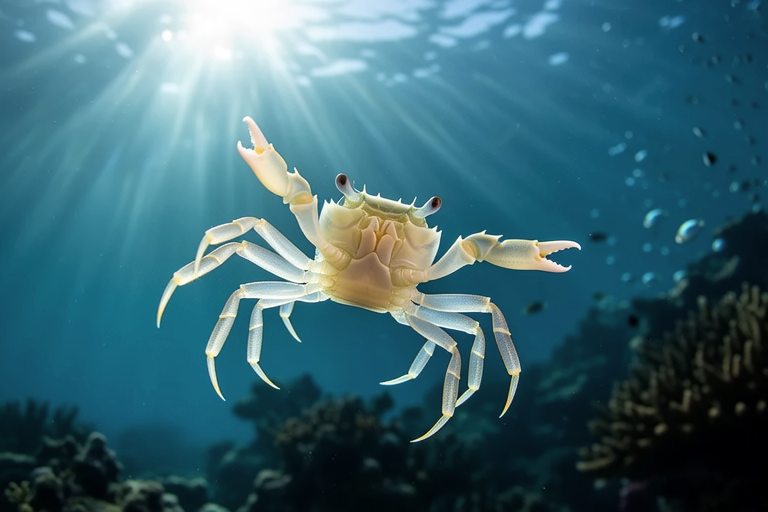
Discover the Fascinating Secrets of Pea Crabs: Microscopic Ocean Heroes
In the vast ocean, where giants like whales and sharks roam, there exists a world so small it’s often overlooked. Meet the pea crab, one of the tiniest crustaceans in the sea, named not for its color but for its size—typically no larger than a pea. These miniature marvels have captured the attention of marine biologists due to their unique lifestyle and vital role in marine ecosystems. This article delves into the fascinating secrets of pea crabs, uncovering their microscopic world and their significance as ocean heroes.
The Tiny Titans of the Sea
Pea crabs, belonging to the family Pinnotheridae, are incredibly small, ranging from 3 to 25 millimeters in length. Their diminutive stature belies their complex and intriguing lives. Unlike most crabs that roam freely, pea crabs lead a life of seclusion, residing within the bodies of other marine creatures, such as sea anemones, oysters, and barnacles. This unique living arrangement is known as endosymbiosis, where both host and guest benefit from each other.
Symbiotic Relationships
The symbiotic relationship between pea crabs and their hosts is one of the most remarkable aspects of their biology. In this relationship, the pea crab finds shelter and protection from predators, while the host benefits from the crabs’ presence. For instance, when pea crabs inhabit sea anemones, they consume the polyps’ food particles, which might otherwise be harmful to the anemone. In exchange, the anemone provides the crabs with a safe haven and occasional scraps of food.
Similarly, pea crabs that live inside barnacles receive a secure home, protected by the barnacle’s hard exterior. The barnacle, in turn, gains nutrients from the waste products of the crabs. This mutualistic relationship ensures that both parties thrive, demonstrating the intricate balance of marine ecosystems.
Anatomy and Reproduction
The anatomy of pea crabs is uniquely adapted to their symbiotic lifestyle. They possess soft, flexible bodies, allowing them to fit snugly within their hosts without causing harm. Unlike many other crabs, pea crabs lack the powerful claws typically associated with their species. Instead, they have small, delicate pincers used primarily for manipulating food particles.
Reproduction among pea crabs is a carefully orchestrated process. Males and females mate within the safety of their host, ensuring that offspring can quickly find refuge. After mating, the female carries her eggs under her body until they hatch. The newly hatched larvae then disperse into the open water, where they undergo several stages of development before finding a suitable host. This reproductive strategy ensures the survival of future generations, despite the challenges of their microscopic existence.
Misconceptions and Myths
Despite their importance, pea crabs are often misunderstood. One common myth is that they are parasitic, feeding solely on their hosts. However, scientific evidence shows that pea crabs are not parasites but rather beneficial symbionts. Another misconception is that all pea crabs are found in the same type of host. In reality, different species of pea crabs prefer various hosts, adapting to specific environments.
Understanding these tiny heroes is crucial for dispelling myths and fostering appreciation for the complexity of marine life. By recognizing their true nature, we can better protect their habitats and ensure their continued contribution to marine ecosystems.
The Role of Pea Crabs in Marine Ecosystems
Pea crabs play a vital role in maintaining the health of marine ecosystems. Their symbiotic relationships help regulate the populations of their hosts, preventing overgrowth and promoting biodiversity. Additionally, pea crabs act as decomposers, breaking down organic matter and recycling nutrients within their host environments. This process contributes to the overall productivity of marine ecosystems, supporting a wide range of species.
Moreover, pea crabs serve as indicators of environmental health. Changes in their population or distribution can signal shifts in the broader ecosystem, providing valuable insights for marine conservation efforts. By monitoring pea crabs, scientists can gain a deeper understanding of the interconnectedness of marine life and the impact of human activities on the oceans.
Preserving Pea Crab Habitats
Given the critical role of pea crabs in marine ecosystems, it is essential to preserve their habitats. Human activities, such as pollution, overfishing, and climate change, pose significant threats to these delicate environments. Protecting the habitats of pea crabs’ hosts, such as coral reefs, mangroves, and seagrass beds, is crucial for ensuring the survival of these microscopic heroes.
Conservation efforts must focus on reducing pollution, promoting sustainable fishing practices, and addressing the impacts of climate change. By taking proactive steps to safeguard these habitats, we can help maintain the balance of marine ecosystems and ensure the continued existence of pea crabs and the countless species that depend on them.
Conclusion
Pea crabs may be small, but their impact on marine ecosystems is profound. Through their unique symbiotic relationships and vital roles as decomposers and indicators of environmental health, these microscopic ocean heroes play a crucial part in the complex web of life beneath the waves. Understanding and appreciating the fascinating secrets of pea crabs not only enhances our knowledge of marine biology but also underscores the importance of preserving their habitats for future generations.
As we continue to explore the mysteries of the ocean, let us remember the tiny titans that reside within its depths. By protecting their homes and fostering a greater understanding of their lives, we can ensure the continued health and diversity of our planet’s precious marine ecosystems.
