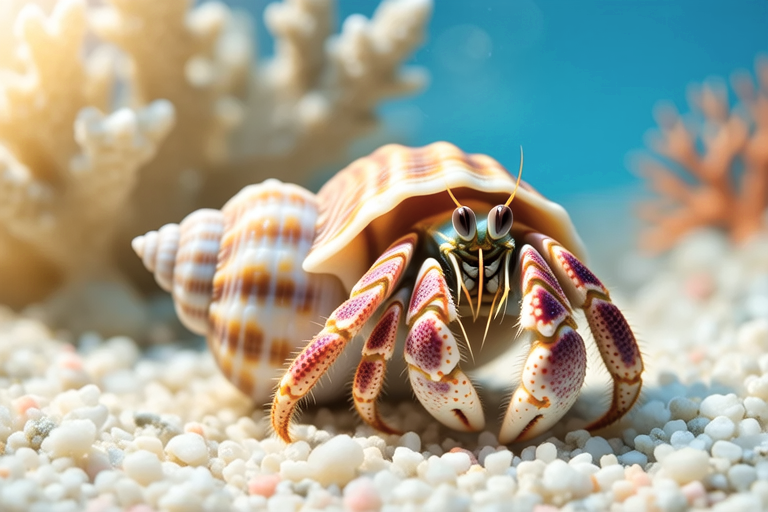
Adorable Moments with Your Shell-Shuffling Hermit Crab BFF
Welcome to the enchanting world of hermit crabs! These fascinating creatures have captured the hearts of many pet enthusiasts with their unique behaviors and quirky personalities. Whether you’re a seasoned hermit crab owner or just starting out, there’s always something new and delightful to discover about your tiny, shell-shuffling friends. This article will guide you through understanding hermit crab behaviors, tips for bonding with them, interesting facts about their shell preferences, and anecdotes highlighting their quirky personalities. We’ll also provide practical advice on creating a stimulating environment and maintaining their health.
Understanding Hermit Crab Behaviors
Hermit crabs are nocturnal creatures, meaning they are most active during the night. During the day, you might find them hiding in their shells, but don’t be fooled—this is just their way of conserving energy for their nighttime adventures. One of the most endearing behaviors of hermit crabs is their tendency to explore their surroundings. They will often wander around their enclosure, investigating every nook and cranny. Sometimes, you might catch them climbing up the sides of their tank, exploring the surface of their substrate, or even engaging in a bit of play with their toys.
Another charming behavior is their social nature. While hermit crabs are solitary in the wild, they can form close bonds with other hermit crabs in captivity. You might notice them gathering together in groups, especially when it’s time to eat. It’s not uncommon for them to share food, creating a mini community within their enclosure. However, be cautious when introducing new hermit crabs to an existing group, as they may exhibit territorial behavior initially.
Tips for Bonding with Your Hermit Crab
Bonding with your hermit crab takes time and patience, but the rewards are well worth it. Start by establishing a routine where you handle your crab gently and regularly. Hermit crabs are sensitive creatures, so it’s essential to handle them carefully to avoid causing stress. Use a soft, damp cloth or a brush to gently stroke their backs, which can help them become more comfortable with human interaction.
To deepen your bond, consider incorporating enrichment activities into their daily routine. For example, you could offer them a variety of different shells to choose from, or hide treats around their enclosure for them to find. This not only stimulates their natural instincts but also provides opportunities for positive reinforcement. Additionally, spending quiet time with your hermit crab can be incredibly rewarding. Simply sitting near their enclosure, talking softly, or playing gentle music can help them feel more at ease and secure.
Interesting Facts About Their Shell Preferences
One of the most intriguing aspects of hermit crab care is their shell preference. Hermit crabs rely on discarded snail shells for protection, and choosing the right shell is crucial for their happiness and well-being. When selecting shells for your hermit crab, look for ones that are slightly larger than their current shell. This allows them enough room to grow comfortably while still providing adequate protection. Shells should also have a smooth interior and exterior to prevent any injuries.
Hermit crabs are known to be quite particular about their shells. They will inspect each one thoroughly before making a decision, often using their claws to test the fit. Once they find a shell they like, they may spend hours rearranging it to their liking. It’s not unusual for hermit crabs to change shells frequently, especially when they’re growing. To encourage healthy shell swapping, provide a variety of shells in different sizes and shapes. This not only keeps your hermit crab happy but also prevents them from becoming too attached to one particular shell.
Anecdotes Highlighting Their Quirky Personalities
Hermit crabs are full of surprises, and their quirky personalities make them truly special companions. One owner shared a story about their hermit crab, whom they affectionately named “Crabby.” Every evening, Cranky would emerge from his shell and climb up the side of his tank, where he would sit and watch TV with his owner. The owner noticed that Cranky had a particular favorite show, and he would often become more active during the commercial breaks. Another owner recounted how their hermit crab, “Shelly,” had a habit of stealing small objects, such as marbles or beads, and hiding them in various parts of the enclosure. This behavior, known as “hoarding,” is common among hermit crabs and reflects their instinct to gather resources for survival.
Hermit crabs can also be quite mischievous. One owner described how their hermit crab, “Bubbles,” had a knack for escaping from their enclosure. Despite multiple attempts to secure the lid, Bubbles managed to squeeze through the smallest of gaps. Eventually, the owner had to reinforce the enclosure with additional barriers to prevent further escapes. Another owner shared the tale of their hermit crab, “Coco,” who had a unique habit of “painting” the walls of their enclosure with their claws. This behavior, while amusing, was also a sign that Coco needed more mental stimulation, prompting the owner to introduce new toys and activities.
Creating a Stimulating Environment
To ensure your hermit crab remains healthy and happy, it’s important to create an enriching environment. Start by providing a spacious enclosure that allows plenty of room for exploration. A ten-gallon aquarium is typically sufficient for a small group of hermit crabs. Make sure the enclosure has a secure lid to prevent escapes. Line the bottom of the enclosure with a substrate that mimics their natural habitat, such as sand or coconut fiber. Avoid using gravel or crushed coral, as these can cause injury if ingested.
In addition to substrate, provide a variety of items for your hermit crab to interact with. Include branches, rocks, and driftwood to create climbing structures. These not only provide exercise but also stimulate their natural instincts. Consider adding a shallow water dish for drinking and bathing, as hermit crabs require access to fresh water. Ensure the water is changed regularly to maintain cleanliness.
Maintaining Their Health
Proper nutrition is essential for the health of your hermit crab. Offer a balanced diet that includes a variety of foods, such as fresh fruits and vegetables, protein sources like boiled eggs or fish, and calcium supplements. Avoid feeding them processed foods or those high in sugar. Additionally, provide a source of calcium, such as cuttlebone or calcium blocks, to support healthy shell growth.
Regular cleaning of the enclosure is vital to maintaining a healthy living environment. Remove any uneaten food promptly and clean the water dish daily. Perform a thorough cleaning of the entire enclosure every few weeks, ensuring all surfaces are free from debris and bacteria. Monitor the humidity levels within the enclosure, as hermit crabs require a humid environment to thrive. Aim for humidity levels between 70% and 80%, and adjust as necessary.
Conclusion
Hermit crabs are captivating pets that bring joy and wonder to their owners. By understanding their behaviors, bonding with them, and providing a stimulating and healthy environment, you can enjoy countless adorable moments with your shell-shuffling hermit crab BFF. Whether you’re marveling at their shell preferences, laughing at their quirky personalities, or simply watching them explore their enclosure, each moment with your hermit crab is a precious opportunity to connect with one of nature’s most unique creatures. Embrace the journey of hermit crab ownership, and prepare yourself for a lifetime of delightful discoveries.
