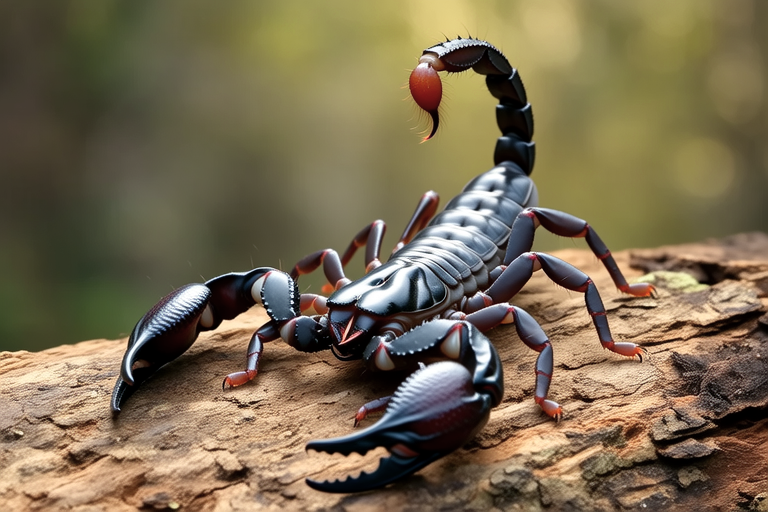
From Fear to Fondness: My Journey with Heterometrus Spinifer
My first encounter with a Heterometrus spinifer was one of pure terror. The sight of its long, spiny legs and menacing claws sent a shiver down my spine. I had heard stories of their aggressive nature and venomous stings, which only heightened my fear. Little did I know that this initial reaction would set the stage for an unexpected transformation from fear to fondness.
The Heterometrus spinifer, commonly known as the Asian forest scorpion, is a species native to Southeast Asia. They are part of the family Scorpionidae and can grow up to 14 centimeters in length. Their name derives from their distinctive spiny legs, which serve both as defensive mechanisms and aids in navigating through dense vegetation. Despite their intimidating appearance, these creatures are mostly nocturnal and prefer to avoid human interaction. However, the myths surrounding them painted a far more sinister picture.
The Initial Encounter
It was a warm evening in the Malaysian rainforest when I first laid eyes on one. We were trekking through the dense undergrowth, guided by a local expert who seemed unfazed by the creature’s presence. My guide, however, calmly assured me that the scorpions were harmless unless provoked. His words did little to ease my mind; my heart raced at the thought of being bitten. The guide explained that their venom, while potent enough to incapacitate small prey, was not lethal to humans. This fact provided some comfort but did nothing to diminish my apprehension.
Breaking the Ice
Several days later, I found myself volunteering at a local wildlife rehabilitation center. It was here that my relationship with Heterometrus spinifer began to evolve. The center had several scorpions in its care, each with its own story. One particular individual, a young female named ‘Spiky,’ caught my attention. She was recovering from an injury sustained during a confrontation with a predator. Her carapace was still healing, and she moved cautiously, her movements deliberate yet graceful.
Initially, I kept my distance, observing her from afar. Over time, I began to learn more about her habits and behaviors. Spiky, like many scorpions, was a solitary hunter, preferring to catch her prey alone. She was meticulous in her approach, using her sensitive pincers to feel out her surroundings before striking. Watching her hunt was both fascinating and humbling; it was clear that she was a highly skilled predator, yet she posed no threat to us.
Building Trust
The turning point in my journey came when I decided to assist in feeding Spiky. It was a nerve-wracking experience, holding a container of crickets inches away from her pincers. As I extended the container, she paused, her eyes locking onto the movement. For a moment, it felt as though she was assessing me, deciding whether I was friend or foe. Slowly, she reached out with her front claws, delicately grasping one of the crickets. Her movements were precise and calculated, showcasing the intelligence behind her actions.
This interaction was pivotal in shifting my perspective. Instead of seeing a dangerous predator, I began to view Spiky as a complex creature, driven by instinct and survival. Each day spent with her deepened my understanding of her world. I learned that scorpions have excellent night vision and can detect vibrations in the ground, allowing them to locate prey in complete darkness. Their ability to adapt to various environments is remarkable, making them a vital part of many ecosystems.
Scientific Insights
As I delved deeper into the biology of Heterometrus spinifer, I discovered that they possess unique adaptations that have allowed them to thrive for millions of years. Their exoskeleton, for instance, is covered in microscopic hairs that enhance their sensory capabilities. These hairs can detect even the slightest changes in air pressure, enabling them to sense approaching threats or potential prey. Additionally, scorpions are capable of fluorescing under ultraviolet light, a trait that has puzzled scientists for decades. Some theories suggest that this fluorescence may serve as a form of communication or a way to regulate body temperature.
Another fascinating aspect of their biology is their reproductive behavior. Female scorpions carry their young on their backs until they are ready to fend for themselves. This maternal care is rare among arachnids and underscores the complexity of their social structures. Understanding these biological intricacies not only enriched my knowledge but also fostered a greater appreciation for the species.
Reflections and Growth
Over time, my fear of Heterometrus spinifer transformed into admiration and respect. What initially appeared as a terrifying creature became a source of fascination and inspiration. Through my experiences, I realized that many of our fears stem from ignorance and misunderstanding. By taking the time to learn about these animals, I was able to challenge preconceived notions and develop a more empathetic outlook.
The journey from fear to fondness taught me valuable lessons about patience and perseverance. It reminded me that true understanding often requires stepping outside of our comfort zones and engaging with the unfamiliar. This experience has shaped my approach to life, encouraging me to embrace challenges and seek opportunities for growth. Moreover, it highlighted the importance of conservation efforts aimed at protecting misunderstood species.
The Value of Empathy
As I reflect on my journey, I am struck by the profound impact that one creature can have on shaping perspectives. Heterometrus spinifer, once a symbol of fear, now represents resilience and adaptability. Their ability to thrive in challenging environments serves as a reminder of the strength and beauty found in diversity. By fostering empathy and understanding, we can create a more inclusive world where all creatures, regardless of their appearance or behavior, are valued.
In conclusion, my journey with Heterometrus spinifer has been transformative, offering insights into the intricate lives of these remarkable creatures. It has underscored the importance of education and open-mindedness in overcoming fears and fostering connections with the natural world. May this narrative inspire others to explore and appreciate the wonders of the animal kingdom, recognizing the value of every living being.
