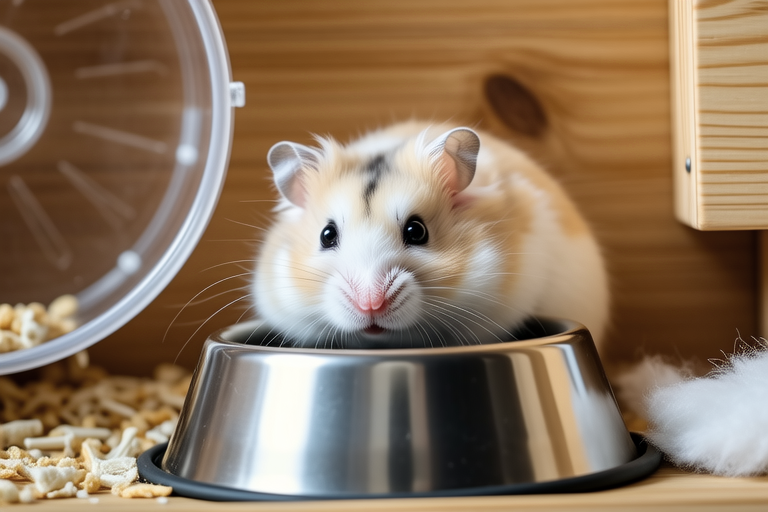
The Ultimate Guide to Creating the Perfect Habitat for Your Tiny Friend
Welcome to the ultimate guide to creating the perfect habitat for your tiny friend! Whether you’re a first-time pet owner or an experienced handler, this guide will provide you with all the necessary information to set up an ideal living space for small pets like hamsters, mice, gerbils, and other similar animals. From selecting the right cage size to ensuring environmental enrichment, we’ll cover everything you need to know to keep your pet healthy and happy.
Selecting Appropriate Cage Sizes
Choosing the right cage size is crucial for your tiny friend’s comfort and health. The cage should be large enough to allow them to move around freely and exercise. Here are some guidelines:
- Hamsters: A minimum of 8 inches by 12 inches by 12 inches (20cm x 30cm x 30cm) for a single hamster.
- Mice: At least 12 inches by 12 inches by 12 inches (30cm x 30cm x 30cm) for two mice.
- Gerbils: A minimum of 24 inches by 12 inches by 12 inches (60cm x 30cm x 30cm) for three to four gerbils.
Ensure that the cage has multiple levels or ramps for climbing and exploring. Avoid cages with wire flooring as it can hurt your pet’s feet. Opt for solid flooring or soft bedding instead.
Bedding Materials
Selecting the right bedding material is essential for your pet’s comfort and hygiene. Consider the following options:
- Wood shavings: Cedar and pine shavings are not recommended due to their aromatic oils which can cause respiratory issues. Opt for aspen wood shavings instead.
- Cloth: Reusable cloth liners or towels are excellent alternatives to wood shavings. They are easy to clean and provide a soft surface for your pet.
- Paper-based bedding: Recycled paper products are safe, absorbent, and odor-free. They come in various forms such as pellets, shredded paper, and compressed paper blocks.
Change the bedding at least once a week to maintain hygiene and prevent ammonia build-up, which can irritate your pet’s respiratory system.
Toys and Environmental Enrichment
Providing toys and opportunities for environmental enrichment is vital for your pet’s mental and physical well-being. Here are some ideas:
- Tunnels: PVC pipes or commercially available plastic tunnels offer hiding spots and encourage exploration.
- Exercise wheels: Ensure the wheel is large enough to prevent injury and has a solid surface to avoid accidents.
- Chew toys: Safe chew toys made from untreated wood or cardboard help satisfy your pet’s natural urge to gnaw.
- Foraging toys: Hide treats inside puzzle toys or cardboard tubes to stimulate your pet’s hunting instincts.
Rotate toys regularly to prevent boredom and keep your pet engaged. Always supervise your pet when introducing new toys to ensure they are safe and suitable.
Food Dishes and Water Bottles
Feeding and watering your pet correctly is fundamental for their health. Here’s what you need to know:
- Food dishes: Use heavy-duty ceramic or metal bowls to prevent tipping. Ceramic bowls are easy to clean and less likely to break than plastic ones.
- Water bottles: Provide a water bottle with a sipper tube. This ensures constant access to fresh water and prevents spillage. Clean the bottle and replace the water daily.
- Food: Feed your pet a balanced diet consisting of high-quality commercial pellets, fresh vegetables, and occasional fruits. Consult your veterinarian for specific dietary recommendations based on your pet’s species and age.
Maintaining Hygiene
Hygiene is key to preventing illness and promoting a healthy environment for your pet. Follow these steps:
- Cleaning schedule: Deep clean the cage every two weeks and spot clean daily. Remove soiled bedding and replace with fresh material. Wash food and water dishes daily.
- Disinfectants: Use pet-safe disinfectants to sanitize the cage and accessories. Rinse thoroughly and air dry before replacing bedding and toys.
- Waste management: Place a litter box filled with paper-based bedding in one corner of the cage. Scoop out waste daily and replace the bedding weekly.
Temperature Control
Keeping your pet’s environment at a comfortable temperature is important for their health. Most small pets thrive in temperatures between 65°F and 75°F (18°C and 24°C). Avoid placing the cage near windows, drafts, or heat sources. Use a thermometer to monitor the temperature and adjust accordingly. In colder months, provide extra bedding or a heating pad for warmth.
Safety Precautions
Ensure your pet’s habitat is free from hazards. Here are some safety tips:
- Secure the cage: Make sure the cage has no gaps larger than 0.5 inches (1.27 cm) to prevent escape and injury.
- Avoid toxic plants: Keep any plants outside the cage as many common houseplants are toxic to small animals.
- Check toys: Regularly inspect toys for damage or loose parts that could pose a choking hazard.
- Supervision: Always supervise your pet during playtime outside the cage to prevent accidents.
Accommodating Natural Behaviors and Needs
Understanding and accommodating your pet’s natural behaviors and needs is essential for their well-being. Here are some tips:
- Nesting: Provide nesting materials such as tissue paper, cotton wool, or shredded paper. Avoid fluffy bedding as it can cause respiratory issues.
- Hiding: Offer hiding spots like tunnels, boxes, or commercially available hideaways. These provide security and reduce stress.
- Exploring: Create an environment that encourages exploration with ramps, tunnels, and different levels. Rotate toys and accessories to keep the habitat interesting.
- Interaction: Spend time interacting with your pet daily. Gently handle them to build trust and provide social stimulation.
By following the steps and tips outlined in this guide, you’ll create an ideal habitat for your tiny friend. Remember, a well-cared-for pet is a happy and healthy pet. Enjoy the rewarding experience of caring for your small companion!
