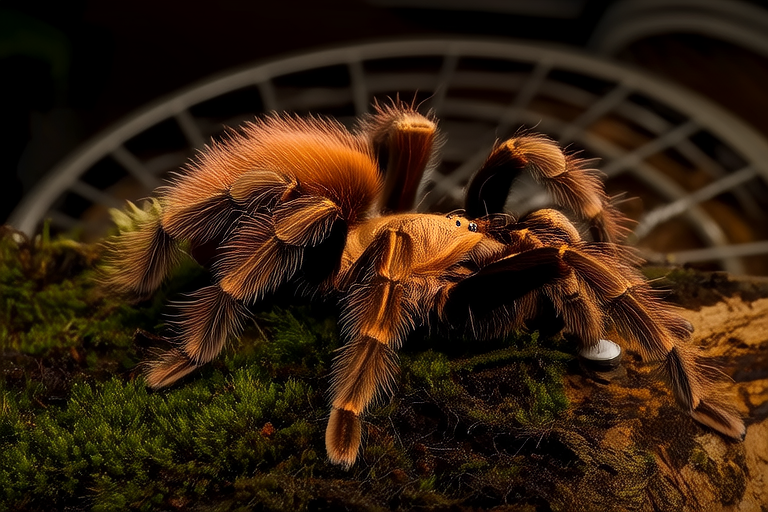
Inside Look: Daily Life and Care of Pet Tarantulas at Home
In recent years, tarantulas have emerged as increasingly popular pets among reptile enthusiasts and arachnophiles alike. Their unique appearance, relatively low maintenance requirements, and fascinating behaviors make them appealing choices for those looking for a different kind of pet. While they might seem intimidating at first glance, tarantulas can be rewarding companions when cared for properly. This article aims to provide an inside look into the daily life and care of pet tarantulas, offering valuable insights for both novice and experienced owners.
The Growing Popularity of Tarantulas as Pets
Tarantulas are arachnids that belong to the family Theraphosidae. They come in various sizes, colors, and temperaments, making them intriguing subjects for observation and interaction. The rise in their popularity can be attributed to several factors, including their availability through reputable breeders and pet stores, the proliferation of online communities dedicated to spider enthusiasts, and increased awareness about proper care techniques. Moreover, many people appreciate tarantulas because they don’t require daily interaction, which suits busy lifestyles or those who prefer less demanding pets.
Creating the Ideal Habitat
Enclosure Size
The first step in setting up a suitable environment for your tarantula is selecting an appropriately sized enclosure. A general rule of thumb is to provide at least three to four times the leg span of the tarantula in height and width. For example, if you have a medium-sized tarantula with a leg span of approximately six inches, its enclosure should measure around 18 inches by 12 inches. Larger enclosures allow more room for exploration and ensure better air circulation, contributing to overall well-being.
Substrate Type
Selecting the right substrate is crucial for maintaining optimal humidity levels within the enclosure. Coconut fiber, cypress mulch, and orchid bark are popular choices due to their ability to retain moisture without becoming soggy. These substrates also promote natural burrowing behavior, which is essential for many tarantula species. Avoid using gravel or sand as they can cause impaction if ingested during feeding or molting.
Temperature and Humidity Levels
Maintaining consistent temperature and humidity levels is vital for the health of your tarantula. Most species thrive in temperatures ranging from 75°F to 85°F (24°C to 29°C). Use a thermometer placed inside the enclosure to monitor these conditions accurately. As for humidity, aim for between 60% and 80%, depending on the specific needs of your tarantula’s species. You can achieve this by misting the substrate occasionally or using a humidifier. It’s important to avoid extremes; overly dry environments can lead to dehydration, while excessively moist conditions may result in respiratory issues.
Lighting Requirements
Unlike some other reptilian pets, tarantulas do not require UVB lighting since they synthesize vitamin D3 internally. However, providing a gentle light source can help regulate their circadian rhythms and encourage natural behaviors such as hunting and hiding. Fluorescent bulbs designed for reptiles or low-wattage LED lights work well. Always position the light outside the enclosure to prevent overheating and ensure it remains accessible only to adults.
Feeding Habits
Understanding the dietary preferences of your tarantula will help maintain its vitality and longevity. Insects like crickets, mealworms, and dubia roaches serve as excellent food sources. Offer prey items that are no larger than half the width of the tarantula’s abdomen to prevent choking hazards. Feed adult tarantulas once every one to two weeks, adjusting based on individual appetite and growth rate. Juveniles may need smaller meals more frequently until they reach maturity.
Handling and Interaction
While tarantulas generally prefer solitude over human contact, gentle interactions can strengthen the bond between you and your pet. When handling, always support the tarantula gently by placing one hand underneath its body while supporting its legs with another hand. Avoid pinching or squeezing, as this could cause stress or injury. Remember that even docile species may react defensively if startled or mishandled, so approach slowly and calmly. Never attempt to handle a newly acquired tarantula immediately; give it time to acclimate to its new home before introducing yourself.
Health Monitoring and Veterinary Care
Regularly inspect your tarantula for signs of illness or injury. Common health issues include mites, molting problems, and digestive disorders. If you notice any unusual behaviors such as lethargy, refusal to eat, or visible lesions, consult a veterinarian specializing in exotic animals. Keep track of shedding cycles and assist if necessary by creating a shallow water dish or increasing humidity temporarily. Early detection and prompt treatment are key to ensuring your tarantula remains healthy throughout its lifespan.
Choosing the Right Species
When selecting a tarantula as a pet, consider factors like temperament and care complexity. Some species are more tolerant of handling than others, making them better suited for frequent interaction. For instance, Grammostola rosea (rose hair tarantula) and Aphonopelma chalcodes (Arizona blonde tarantula) are known for their calm demeanor and ease of care. Conversely, Poecilotheria metallica (Indian ornamental tarantula) requires advanced knowledge due to its skittish nature and higher humidity demands. Research thoroughly before committing to a particular species to ensure compatibility with your lifestyle and experience level.
In conclusion, owning a pet tarantula offers a unique opportunity to connect with these captivating creatures while learning about their fascinating world. By understanding their specific needs regarding habitat setup, feeding habits, handling practices, and healthcare, you can provide a nurturing environment that promotes happiness and longevity. Whether you’re a seasoned arachnophile or new to the hobby, adopting the right approach ensures both you and your tarantula enjoy a fulfilling relationship built on mutual respect and understanding.
