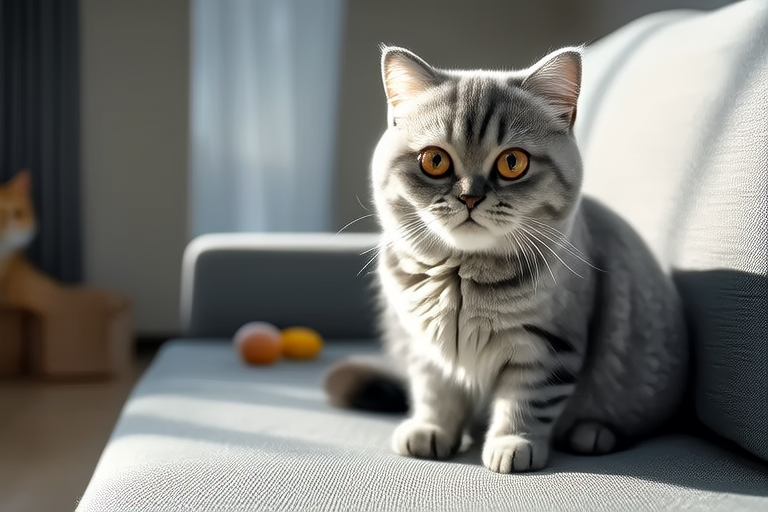
From Catwalk to Couch: The Munchkin’s Unique Journey
The world of feline breeds is vast and varied, but few can claim the uniqueness and charm of the Munchkin cat. With its most distinctive feature being its unusually short legs, this breed has captured the hearts of cat enthusiasts around the globe. In this article, we delve into the fascinating history, temperament, health considerations, and the remarkable journey of the Munchkin from a novel curiosity to a beloved pet.
The Origin and Genetics of the Munchkin
The Munchkin cat breed emerged in the late 20th century, with its origins traced back to a Louisiana woman named Sandra Hochenedel, who discovered a pregnant stray with unusually short legs in 1983. She named the cat Blackberry, and from her litter came a male kitten named Toulouse. It was Toulouse’s offspring that would eventually become the foundation for the Munchkin breed.
Genetically, the Munchkin’s short legs are attributed to a spontaneous mutation in the gene responsible for limb length. This mutation affects the vertebrae in the spine, leading to shorter limbs without compromising overall health or mobility. The genetic trait is autosomal dominant, meaning that only one copy of the gene is needed for the trait to manifest. However, breeding two Munchkins together can result in some kittens inheriting the long-legged phenotype, known as “rex” cats.
Temperament and Personality
Munchkins are known for their playful and curious nature, traits that make them delightful companions. Their unique physique does not hinder their activity levels; in fact, it often leads to a more adventurous spirit. These cats are agile climbers and can navigate furniture and obstacles with surprising ease. Despite their diminutive legs, they can run at impressive speeds, sometimes described as “zooming” across the room.
One of the most endearing aspects of Munchkins is their sociable and affectionate demeanor. They enjoy the company of their human families and other pets, making them ideal candidates for multi-pet households. Their adaptability and friendly nature also make them excellent therapy animals. Many Munchkins thrive in environments where they receive plenty of attention and mental stimulation, further enhancing their interactive and loving personalities.
Health Considerations
While the Munchkin’s short legs are a defining characteristic, it is crucial for prospective owners to be aware of potential health issues. One concern is lordosis, a condition characterized by an exaggerated inward curve of the spine, which can occur due to the breed’s unique skeletal structure. Another issue is pectus excavatum, a deformity where the chest cavity caves inward, potentially affecting heart and lung function.
Regular veterinary check-ups and maintaining a healthy lifestyle are key to managing these conditions. Proper nutrition, exercise, and weight management are essential to ensure the well-being of Munchkins. Early detection and proactive care can significantly improve the quality of life for these cats. Responsible breeding practices, focusing on genetic diversity, also play a critical role in reducing the prevalence of inherited disorders.
Anecdotes and Notable Munchkins
Among the most famous Munchkins is a cat named Cricket, who became an internet sensation for his charming antics and adorable appearance. Cricket’s videos showcased his playful nature and cleverness, winning the hearts of millions. Another notable Munchkin is Cleo, who was adopted by a family after being rescued from a shelter. Cleo’s story highlights the resilience and adaptability of Munchkins, proving that they can thrive in various environments.
These anecdotes serve to humanize the breed, offering glimpses into the lives of individual Munchkins and the joy they bring to their families. Stories like these help to dispel misconceptions about the breed and emphasize the importance of adopting and loving all cats, regardless of their physical attributes.
The Journey from Novelty to Cherished Pet
The journey of the Munchkin from a novelty to a cherished pet is a testament to the breed’s adaptability and endearing qualities. Initially met with skepticism and controversy due to ethical concerns about breeding for a specific physical trait, the Munchkin has gradually earned its place among other recognized cat breeds.
Today, Munchkins are appreciated for their unique appearance and engaging personalities. They have found their niche in homes and hearts worldwide, where they are celebrated for their quirks and cherished for their companionship. The Munchkin’s popularity continues to grow, thanks to the efforts of dedicated breeders and advocates who promote responsible ownership and breeding practices.
In conclusion, the Munchkin’s journey from catwalk to couch is a remarkable tale of acceptance and love. From its origins as a spontaneous genetic mutation to its current status as a beloved pet, the Munchkin has proven itself to be more than just a novelty. Its unique physical characteristics, coupled with its playful and affectionate nature, make it a standout breed in the feline world. As we continue to learn more about this fascinating breed, one thing remains clear: the Munchkin’s journey is far from over, and there’s much more to discover about these enchanting creatures.
