The World of Arowana: Unique Characteristics, Care Requirements, Myths, and Cultural Significance
Arowanas, often referred to as “Dragon Fish” due to their elongated bodies and dorsal fins resembling mythical creatures, are among the most fascinating and majestic fish in the aquarium trade. These freshwater giants are renowned for their striking appearance, intelligence, and the numerous myths that surround them. This article delves into the captivating world of Arowana, exploring their unique characteristics, care requirements, myths, history, natural habitat, dietary needs, and the challenges and rewards of keeping them as pets.
Unique Characteristics of Arowana
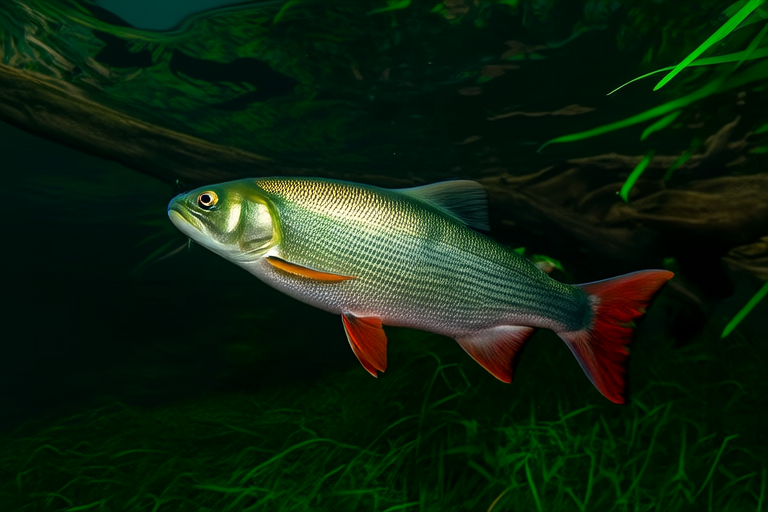
Arowanas are known for their distinct physical features, which set them apart from other fish species. They have elongated, torpedo-shaped bodies with large, iridescent scales that shimmer in various colors depending on the light. Their eyes are positioned high on their heads, allowing them to see above the water surface, a trait that has earned them the nickname “Monitors of the Water.” Additionally, they possess powerful pectoral fins that aid in maneuvering through the water, and their mouths are lined with sharp teeth designed for catching prey.
Care Requirements for Arowana
Keeping Arowanas as pets requires a significant investment in terms of time, resources, and expertise. These fish demand spacious tanks, typically no less than 300 gallons, to accommodate their size and swimming habits. The water temperature should be maintained between 76°F and 84°F (24°C to 29°C), and the pH level should range from 6.5 to 7.5. Regular water changes are crucial for maintaining water quality, and advanced filtration systems are necessary to ensure a clean environment. It’s also essential to provide ample hiding spots and decorations to mimic their natural habitat.
Myths Surrounding Arowana
Arowanas are steeped in myth and legend, particularly in Asian cultures where they are believed to bring good luck and fortune. In Chinese culture, the Arowana is considered a symbol of prosperity and protection. The belief that these fish can ward off evil spirits and bring financial success has made them highly sought after by collectors. However, it’s important to note that these myths are rooted in superstition and should not influence the decision to keep an Arowana as a pet.
History and Natural Habitat
Arowanas have a rich history dating back millions of years, with fossil records indicating their presence during the Cretaceous period. Native to Southeast Asia, South America, and Africa, these fish thrive in slow-moving rivers, swamps, and floodplains. They are adapted to environments with dense vegetation and submerged roots, providing ample cover and hunting grounds. Arowanas are known to leap out of the water to catch insects and small birds, showcasing their impressive jumping abilities.
Dietary Needs
Arowanas are carnivorous and require a diet rich in protein. In the wild, they feed on insects, crustaceans, small fish, and occasionally birds. As pets, their diet should include a variety of live or frozen foods such as earthworms, bloodworms, krill, and feeder fish. It’s important to avoid overfeeding, as excess food can lead to poor water quality and health issues. A balanced diet is crucial for their growth and longevity.
Growth, Lifespan, and Behavior
Arowanas grow rapidly, reaching lengths of up to 3 feet (90 cm) and weighing around 20 pounds (9 kg). They can live for several decades under optimal conditions, with some individuals living well beyond 20 years. Arowanas are intelligent and curious fish, often displaying interactive behaviors with their owners. They are generally peaceful within their own species but can become territorial when space is limited. Proper socialization and environmental enrichment are essential for their well-being.
Challenges and Rewards of Keeping Arowana
While Arowanas can be rewarding pets, they present several challenges. Their large size and specialized care requirements make them unsuitable for novice aquarists. The initial setup costs can be substantial, and ongoing maintenance demands significant commitment. However, for those willing to invest the time and effort, Arowanas offer a unique and captivating addition to any aquarium. Their beauty, intelligence, and interaction with their surroundings make them a truly remarkable species to observe.
Tank Setups and Water Quality
Choosing an appropriate tank setup is crucial for the health and well-being of Arowanas. A spacious tank with plenty of open swimming areas is ideal, along with robust filtration systems to maintain water quality. Decorations such as driftwood, rocks, and plants can enhance the environment while providing hiding spots. Regular testing of water parameters and prompt action to address any issues are vital for maintaining optimal water conditions.
Cultural Significance and Conservation Efforts
In addition to their role in aquariums, Arowanas hold significant cultural importance, particularly in Asian countries where they are revered for their symbolism. Conservation efforts are underway to protect wild populations from overfishing and habitat destruction. Many countries have implemented regulations to control the trade of Arowanas, ensuring sustainable practices. Responsible breeding programs aim to reduce pressure on wild populations and promote ethical ownership.
Conclusion
The world of Arowana is a captivating blend of science, culture, and mythology. From their unique physical traits and dietary needs to the challenges and rewards of keeping them as pets, these fish offer a rich and rewarding experience for those who choose to embark on this journey. By understanding their history, natural habitat, and care requirements, enthusiasts can ensure the well-being of these magnificent creatures and contribute to their conservation. Whether you’re a beginner or an experienced aquarist, Arowanas are sure to captivate and inspire.
