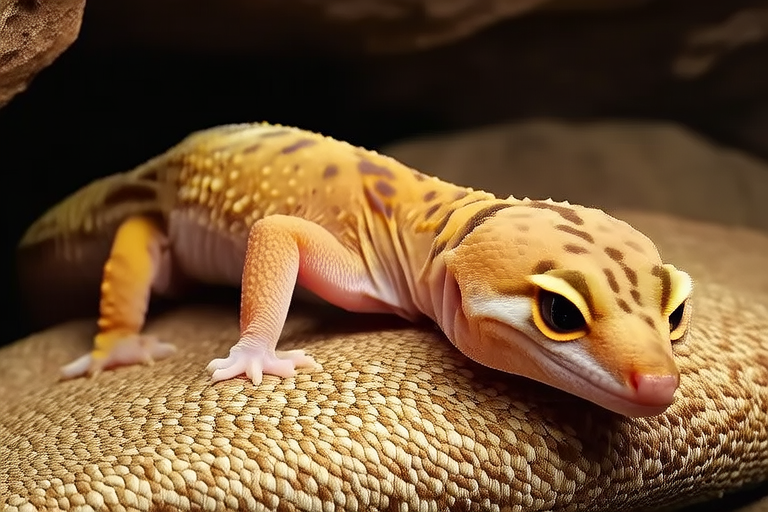
Leopard Gecko Behavior Decoded: Understanding Your Pet’s Actions
Welcome to the fascinating world of leopard geckos! These small, docile lizards have become incredibly popular pets due to their relatively easy care requirements and unique personalities. Leopard geckos, scientifically known as Eublepharis macularius, are native to the arid regions of Afghanistan, Pakistan, India, and parts of Iran. Their vibrant color patterns and gentle nature make them ideal companions for reptile enthusiasts of all experience levels.
Common Behaviors and Their Meanings
Nocturnal Activity
One of the most striking features of leopard geckos is their nocturnal nature. They are primarily active during the night, seeking out insects and exploring their enclosures under the cover of darkness. This behavior is an adaptation to their natural habitat, where daytime temperatures can be extremely hot. As a responsible owner, you should provide a secure, dark hiding spot for your gecko to rest during the day. Ensuring a proper day-night cycle (12 hours of light and 12 hours of darkness) will help maintain their natural circadian rhythms.
Shedding
Leopard geckos shed their skin periodically as they grow. A healthy gecko will shed its entire skin in one piece, starting from the head and ending at the tail. The process usually takes about two days. During this time, it’s essential to keep the enclosure moist and provide a humid hide to aid in the shedding process. Signs of incomplete shedding may indicate dehydration or poor nutrition. If your gecko has difficulty shedding, gently assist by soaking it in lukewarm water and carefully removing the stuck skin with your fingers.
Eating Habits
Leopard geckos are insectivores, meaning their diet consists mainly of live insects like crickets, mealworms, and waxworms. It’s crucial to offer a variety of prey items to ensure a balanced diet. Feed your gecko appropriately sized insects daily or every other day, depending on its age and size. Avoid overfeeding, as obesity can lead to health issues. Always remove uneaten insects after a few hours to prevent them from biting or stressing your gecko.
Social Behavior and Interaction with Owners
Social Behavior
Unlike some reptiles, leopard geckos are solitary animals and prefer living alone. Housing multiple geckos together can lead to stress, fighting, or even cannibalism, especially during breeding season. While they may coexist peacefully in larger enclosures, it’s generally best to house each gecko separately to avoid potential conflicts.
Interaction with Owners
Leopard geckos can become accustomed to gentle handling, but they are not typically affectionate pets. They do not enjoy being held or cuddled, so it’s important to handle them with care and respect their space. Regular, gentle interactions can help your gecko become more comfortable around you. However, always support their body when holding them to prevent injury. Never grab your gecko by the tail, as they can drop it as a defense mechanism if threatened.
Signs of Stress or Illness
Stress Indicators
Identifying signs of stress in your leopard gecko is crucial for maintaining its well-being. Common indicators include reduced activity, refusal to eat, hiding excessively, and changes in feces or urates (the white portion of the droppings). If you notice any of these signs, evaluate the enclosure’s temperature, humidity, and cleanliness. Adjusting these factors can often alleviate stress.
Illness Symptoms
Leopard geckos can fall ill due to various reasons, including improper husbandry, infections, or parasites. Symptoms of illness may include lethargy, weight loss, bloating, labored breathing, or abnormal discharge from the mouth or eyes. If you suspect your gecko is sick, consult a veterinarian specializing in reptiles immediately. Early diagnosis and treatment can significantly improve recovery chances.
Body Language and Vocalizations
Body Language
Understanding your gecko’s body language can help you gauge its mood and needs. A relaxed gecko will typically sit still, with its eyes open and alert. If it feels threatened, it may puff up its body, flatten its head, or flick its tail. These actions are defensive mechanisms meant to appear larger and more intimidating to predators. Conversely, a gecko that feels safe and content may curl up in a cozy spot, sometimes even burrowing into substrate.
Vocalizations
Leopard geckos are surprisingly vocal, despite their small size. Males, in particular, can produce a soft chirping sound, especially during breeding season. Some owners report their geckos making clicking noises when excited or stressed. Familiarizing yourself with these sounds can help you better understand your pet’s emotional state.
Maintaining a Healthy Environment
To ensure your leopard gecko lives a long and happy life, creating an environment that supports its natural behaviors is paramount. Start by providing a spacious enclosure with appropriate heating and lighting. Maintain a temperature gradient within the tank, ranging from 78°F to 90°F (26°C to 32°C), with a basking area reaching up to 95°F (35°C). Use a reliable heat source, such as a ceramic heat emitter or under-tank heater, and monitor temperatures with thermometers placed at different points within the enclosure.
Humidity is equally important, particularly during shedding periods. Keep the humidity level between 30% and 40%, which can be achieved through regular misting or by providing a humid hide filled with damp moss. Ensure adequate ventilation to prevent mold growth and respiratory issues.
Incorporate a variety of hides and climbing structures to stimulate your gecko’s natural instincts. These elements provide opportunities for exploration and mental stimulation, reducing boredom and stress. Additionally, offering a shallow water dish for drinking and occasional soaking helps maintain hydration and overall health.
Regularly clean the enclosure to prevent the buildup of bacteria and parasites. Spot-clean daily and perform a thorough cleaning once a week, replacing substrate and disinfecting surfaces with reptile-safe products. Quarantine new additions to the enclosure to avoid introducing diseases to your existing gecko.
Lastly, provide a balanced diet rich in calcium and vitamin D3 to promote strong bones and overall health. Dust prey items with a high-quality calcium supplement at least three times a week and use a multivitamin supplement once a week. Always follow the manufacturer’s instructions to avoid over-supplementation.
In conclusion, decoding your leopard gecko’s behavior allows you to understand and meet its needs effectively. By recognizing common actions and signs of stress or illness, you can ensure your pet leads a fulfilling and healthy life. Remember, a well-maintained environment that encourages natural behaviors is key to a long-lasting bond between you and your beloved reptilian companion.
