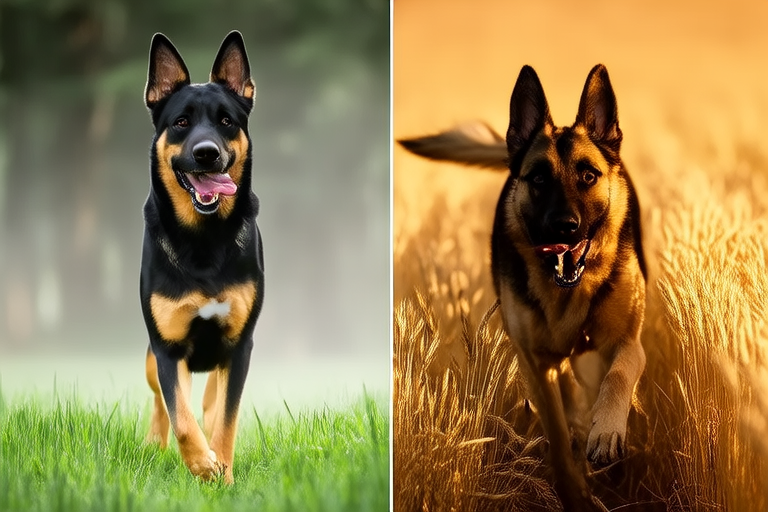
From Farm to Film: A Journey Through the German Shepherd’s Versatility
The German Shepherd, one of the most recognizable dog breeds worldwide, has a rich history that spans from humble beginnings on farms to starring roles in films. Originating in Germany in the late 19th century, this breed was initially bred for herding sheep and guarding livestock. Their early roles on farms showcased their intelligence, loyalty, and physical prowess, traits that would later make them invaluable in numerous other fields.
Origins and Initial Roles
The breeding of German Shepherds began in earnest around 1899 when Captain Max von Stephanitz, a German cavalry officer, sought to create a versatile working dog. He envisioned a breed that could herd sheep efficiently while also being capable of protecting both the flock and its human handlers. The result was the German Shepherd, a breed known for its agility, strength, and unwavering loyalty.
These dogs were originally used to assist farmers in managing their flocks. Their keen sense of smell and ability to work independently made them ideal for guiding sheep through rugged terrain. Additionally, their protective nature ensured the safety of both the animals and the farmstead. Over time, farmers recognized the breed’s potential beyond herding, and they began training them for tasks like retrieving lost livestock and guarding against predators.
Adaptation and Versatility
As German Shepherds became more popular, people began to recognize their intelligence and trainability. These attributes, combined with their physical strength and endurance, allowed them to excel in various roles. Their loyalty and dedication to their handlers made them natural candidates for military and police work. Their adaptability and problem-solving skills further enhanced their usefulness in different environments.
One of the standout features of German Shepherds is their high level of intelligence. They rank among the top breeds in terms of obedience and understanding commands. This intelligence, coupled with their strong work ethic, makes them highly trainable for complex tasks. Moreover, their physical attributes—such as their muscular build, powerful jaws, and sharp senses—enable them to perform physically demanding jobs with ease.
Military and Police Work
The transition of German Shepherds into military and police roles was a natural progression given their inherent abilities. During World War I, these dogs were employed by the German army for messenger duties, tracking, and even attacking enemy soldiers. Their bravery and tactical acumen earned them a reputation as formidable allies on the battlefield.
In modern times, German Shepherds continue to serve in military and law enforcement capacities. For instance, they are often used in bomb detection units, where their acute sense of smell allows them to locate explosives with incredible precision. One notable example is Cairo, the Belgian Malinois who assisted Navy SEAL Team Six during the raid on Osama bin Laden’s compound. Although Cairo was not a German Shepherd, his breed shares many similar characteristics, highlighting the versatility of dogs trained for such missions.
German Shepherds are also commonly deployed in police units, where they assist in drug interdiction, patrol duties, and suspect apprehension. Their imposing presence and discipline make them effective deterrents, while their intelligence ensures they can be trusted to act only under command. In addition, their ability to navigate urban environments and dense forests alike makes them indispensable in tracking and search operations.
Search and Rescue Operations
Beyond military and police work, German Shepherds have proven themselves invaluable in search and rescue (SAR) operations. Their exceptional sense of smell and endurance enable them to cover vast areas in a short amount of time, making them ideal for locating missing persons in diverse terrains.
During the 9/11 terrorist attacks, German Shepherds played a crucial role in the recovery efforts at Ground Zero. Teams of these dogs worked tirelessly alongside first responders, searching for survivors and victims amidst the rubble. Their resilience and determination were critical in providing comfort and support to those involved in the aftermath.
Another example of their effectiveness in SAR is their involvement in earthquake relief. In regions struck by seismic activity, German Shepherds have been deployed to locate trapped individuals. Their ability to detect faint signs of life beneath debris has saved countless lives, earning them the respect and admiration of rescue workers and the public alike.
Service Roles
German Shepherds are also widely used in service roles, assisting individuals with disabilities. These dogs undergo extensive training to perform specific tasks that enhance the independence and quality of life for their handlers. Some common tasks include guiding visually impaired individuals, alerting people with hearing impairments, and providing assistance to those with mobility issues.
One poignant story involves a German Shepherd named Endal, who served as a service dog for his handler, Allen Parton, who was paralyzed from the chest down due to a car accident. Endal was trained to retrieve dropped objects, open and close doors, and even operate light switches. His most remarkable feat, however, was saving Parton’s life after he suffered a seizure. When Parton fell out of his wheelchair, Endal pulled him to safety, covered him with a blanket, and fetched help by pressing a pre-programmed button on a nearby telephone.
The bond between German Shepherds and their handlers is often profound, as these dogs provide not only practical assistance but also emotional support. Their unwavering loyalty and companionship offer a sense of security and comfort to those who rely on them.
Film and Media
Finally, German Shepherds have found great success in film and media, captivating audiences with their striking appearance and remarkable talents. One of the most iconic portrayals of the breed is Rin Tin Tin, a German Shepherd who rose to fame in the silent film era. Rin Tin Tin starred in numerous Hollywood productions, becoming a beloved figure and a symbol of canine heroism.
More recently, German Shepherds have continued to appear in popular movies and TV shows. For example, in the long-running crime drama “Criminal Minds,” the character Derek Morgan is accompanied by a German Shepherd named Jarvis. The dog’s presence adds depth to the character, reflecting Morgan’s strong sense of duty and his protective instincts.
Furthermore, German Shepherds have been featured in advertisements and commercials, further cementing their image as reliable and trustworthy companions. Their enduring appeal in media is a testament to their versatility and the deep connection they share with humans.
Conclusion
The journey of the German Shepherd from farm to film is a testament to their remarkable versatility and adaptability. From their origins as herding dogs to their current roles in military, police, and service work, these dogs have consistently demonstrated their value and loyalty. Their intelligence, physical attributes, and emotional bonds with humans have made them indispensable in various fields. Whether guiding a blind person across a busy street or sniffing out explosives in a war zone, German Shepherds continue to inspire awe and admiration. Their presence in film and media serves as a reminder of their enduring appeal and the profound impact they have on our lives.
