The Ultimate Guide to Training and Bonding With Your Lop Rabbit
Understanding Lop Rabbit Behavior
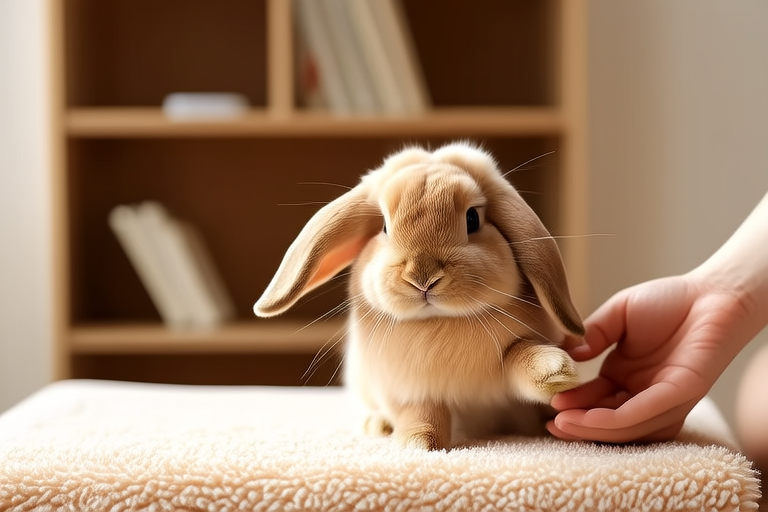
Lop rabbits are known for their gentle and affectionate nature. Their long ears, which often droop, give them a unique appearance that makes them popular pets. Understanding your lop rabbit’s behavior is crucial for effective training and bonding.
Lop rabbits are social animals and thrive on interaction with humans. They can be quite vocal, making soft grunting or purring sounds when they’re content. They may also thump their hind legs as a sign of displeasure or alarm. It’s important to recognize these behaviors early on so you can respond appropriately.
These rabbits are also territorial and can become aggressive if they feel their space is being invaded. Providing a secure and comfortable living environment is key to preventing such issues.
Essential Training Techniques
Training your lop rabbit is not only fun but also helps build a stronger bond between you and your pet. Start by teaching basic commands like ‘come’ and ‘stay’. Use positive reinforcement methods, offering treats and praise when your rabbit follows instructions correctly.
House training your rabbit is another important aspect of training. Designate a specific area in your home where your rabbit can relieve itself, and consistently take your rabbit there after meals or naps. Gradually, your rabbit will learn to use this area exclusively.
Teaching your rabbit to use a litter box can be achieved through patience and consistency. Place the litter box in a corner of the designated area and sprinkle some hay or bedding inside. Encourage your rabbit to enter the box by placing its favorite treats inside.
Step-by-Step Bonding Exercises
- Introduce Yourself Gently: Begin by sitting quietly near your rabbit’s enclosure, allowing it to get used to your presence. Speak softly and avoid sudden movements.
- Offer Treats: Once your rabbit seems comfortable, offer small treats from your hand. This helps establish trust and encourages positive interactions.
- Gradual Handling: As your rabbit becomes more familiar with you, start handling it gently. Initially, focus on petting and stroking its back and head.
- Playtime: Incorporate playtime into your routine. Use toys that encourage natural behaviors, such as tunnels and chew toys. Playing together strengthens the bond between you and your rabbit.
Creating a Safe and Stimulating Environment
A well-designed living space is essential for your lop rabbit’s happiness and well-being. Provide a spacious cage or enclosure with plenty of room for movement. Include ramps, shelves, and tunnels to create an enriching environment.
Ensure the enclosure has adequate ventilation and is placed away from direct sunlight and drafts. Line the bottom with soft bedding material, such as straw or hay, to provide comfort and warmth.
Outside of the enclosure, designate a safe play area within your home. Use baby gates or other barriers to prevent your rabbit from accessing dangerous areas. Provide toys and activities that stimulate mental and physical exercise.
Common Challenges and Solutions
- Aggression: If your rabbit shows signs of aggression, it may be due to fear or territorial behavior. Address this by providing a secure and comfortable living environment. Avoid sudden movements and speak in a calm, soothing voice.
- Chewing: Rabbits have a natural instinct to chew. Redirect this behavior by providing appropriate chew toys and branches. Supervise your rabbit during playtime to ensure it does not chew on harmful objects.
- Separation Anxiety: Some rabbits experience anxiety when left alone. To alleviate this, gradually increase the time your rabbit spends alone. Offer toys and distractions to keep your rabbit occupied.
Diet and Health Considerations
Proper nutrition is vital for your lop rabbit’s health and longevity. The core of their diet should consist of high-quality hay, which provides necessary fiber and aids digestion. Fresh water should always be available.
Supplement their diet with a variety of fresh vegetables and fruits, but introduce new foods gradually to avoid digestive upset. Limit the amount of pellets and sugary treats, as excessive consumption can lead to obesity and dental problems.
Regular veterinary check-ups are essential for maintaining your rabbit’s health. Schedule annual visits for vaccinations and preventive care. Keep an eye out for signs of illness, such as lethargy, loss of appetite, or changes in bathroom habits.
Tips for Maintaining a Strong Bond
Consistency is key to maintaining a strong bond with your lop rabbit. Spend quality time together each day, engaging in activities that both of you enjoy. Regular grooming sessions can also strengthen the bond, as they promote trust and relaxation.
Respect your rabbit’s boundaries and individual preferences. Some rabbits prefer quiet times, while others are more social. Pay attention to your rabbit’s cues and adjust your interactions accordingly.
Lastly, consider adopting a second rabbit if you find yourself wanting more companionship. Introducing a compatible companion can provide additional socialization opportunities and reduce feelings of loneliness.
