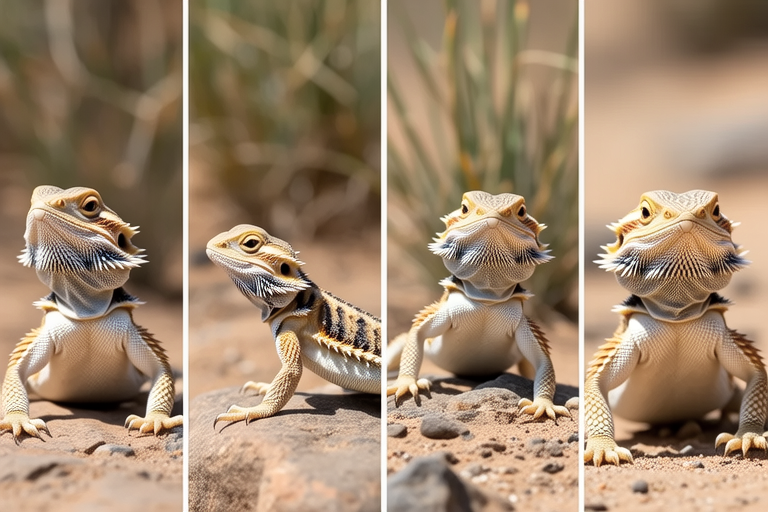
From Baby to Adult: Stages of Bearded Dragon Growth Explained
Bearded dragons are beloved pets known for their docile nature and unique appearance. Their growth journey from tiny hatchlings to full-grown adults is a fascinating process that involves significant physical, dietary, and behavioral changes. Understanding these stages is crucial for providing optimal care. This article will guide you through each phase of a bearded dragon’s life, offering insights into their development and practical advice for owners.
Stage 1: Hatchling (0-3 months)
The first few months of a bearded dragon’s life are marked by rapid growth and development. At birth, these little creatures are around 4 inches long and weigh about 1 gram. During this stage, they experience significant physical changes, including the development of their distinctive spikes and tail.
Dietary Needs: Hatchlings require frequent feeding to support their fast metabolism. They should be offered small insects like pinhead crickets or dubia roaches daily. Dusting these insects with calcium powder is essential for bone health. Additionally, they can consume finely chopped leafy greens.
Habitat Adjustments: A 20-gallon tank is suitable for hatchlings. The enclosure should have a heat gradient, with one side maintained at around 95°F (35°C) and the other at 85°F (30°C). UVB lighting is crucial for vitamin D synthesis, promoting calcium absorption. Substrate can be reptile carpet or paper towels to prevent ingestion of harmful materials.
Behavioral Shifts: Hatchlings are typically more active and curious. They may spend time basking under the heat lamp but also explore their surroundings. Handling should be minimal during this stage to avoid stress.
Tips for Owners: Regularly monitor your dragon’s weight and length to ensure healthy growth. Maintain clean water and a balanced diet. Avoid overcrowding the enclosure, as it can lead to stress and illness.
Stage 2: Juvenile (3-6 months)
By three months, juvenile bearded dragons reach about 7 inches in length. Their bodies become more robust, and they develop stronger limbs. They start showing more distinct colors and patterns, which can vary among individuals.
Dietary Needs: Juveniles still need a high-protein diet but can handle larger prey items like quarter-inch crickets. Vegetables can be increased slightly, but protein remains the primary component. Continue dusting insects with calcium and multivitamin supplements twice weekly.
Habitat Adjustments: As they grow, consider upgrading to a 40-gallon tank. Add climbing branches and hides to provide enrichment. Ensure the substrate is safe and easy to clean, such as eco-earth or reptile carpet.
Behavioral Shifts: Juveniles become more social and interactive. They may respond positively to handling and can be trained to eat from your hand. However, they remain cautious and may retreat if startled.
Tips for Owners: Gradually introduce new foods to their diet. Monitor their hydration levels; they may need help drinking water if they don’t drink enough on their own. Keep the environment stable and reduce handling during shedding periods.
Stage 3: Subadult (6-12 months)
Between six and twelve months, subadult bearded dragons grow rapidly, reaching lengths between 12 and 15 inches. Their bodies fill out, and they gain more muscle mass. The beards, which give them their name, become more pronounced.
Dietary Needs: Subadults can eat larger insects like half-inch crickets and mealworms. Vegetables can now form a larger portion of their diet, including collard greens, mustard greens, and squash. Continue calcium supplementation and limit fatty foods.
Habitat Adjustments: A 55-gallon tank is ideal for subadults. Provide ample space for climbing and basking. Use a deeper substrate layer if preferred, ensuring it’s not too deep to prevent ingestion issues.
Behavioral Shifts: Subadults show more confidence and may display territorial behavior. They often bask for longer periods and may engage in head bobbing or arm waving as forms of communication.
Tips for Owners: Introduce variety into their diet to encourage balanced nutrition. Monitor their weight closely; overfeeding can lead to obesity. Encourage natural behaviors by providing hiding spots and climbing structures.
Stage 4: Adult (12+ months)
Adult bearded dragons are fully grown, typically reaching lengths of 18 to 24 inches. Their physical features are well-developed, with males often displaying more prominent beards and darker colors than females. They have strong, sturdy bodies and are capable of impressive feats of agility.
Dietary Needs: Adults require a varied diet rich in vegetables and occasional insects. Offer leafy greens, carrots, and squash regularly. Insects should be provided less frequently, focusing on quality rather than quantity. Calcium and vitamin D3 supplementation should continue to prevent metabolic bone disease.
Habitat Adjustments: An adult dragon requires a spacious enclosure, ideally at least 75 gallons. Increase the number of hides and climbing opportunities. Ensure proper ventilation and maintain consistent humidity levels.
Behavioral Shifts: Adults exhibit mature behaviors, including breeding displays and dominance posturing. They may become more selective about eating certain foods and might show preferences for specific basking areas.
Tips for Owners: Regular health check-ups are important to catch any potential issues early. Encourage regular exercise by providing stimulating environments. Social interaction can vary; some dragons enjoy human contact while others prefer solitude.
Care Tips Across All Stages
Regardless of age, several care practices remain constant throughout a bearded dragon’s life:
- Hydration: Always provide fresh water in a shallow dish. Some dragons prefer misting to encourage drinking.
- Temperature Control: Maintain appropriate temperature gradients within the enclosure. Use thermometers to monitor temperatures accurately.
- Veterinary Care: Regular visits to a reptile-savvy veterinarian can help ensure your dragon stays healthy.
- Handling: Handle gently and frequently to build trust. Always support their body when holding them.
In conclusion, understanding the different stages of bearded dragon growth allows owners to tailor their care accordingly. From providing the right diet and habitat to fostering positive interactions, attentive care ensures these fascinating creatures thrive in captivity.
