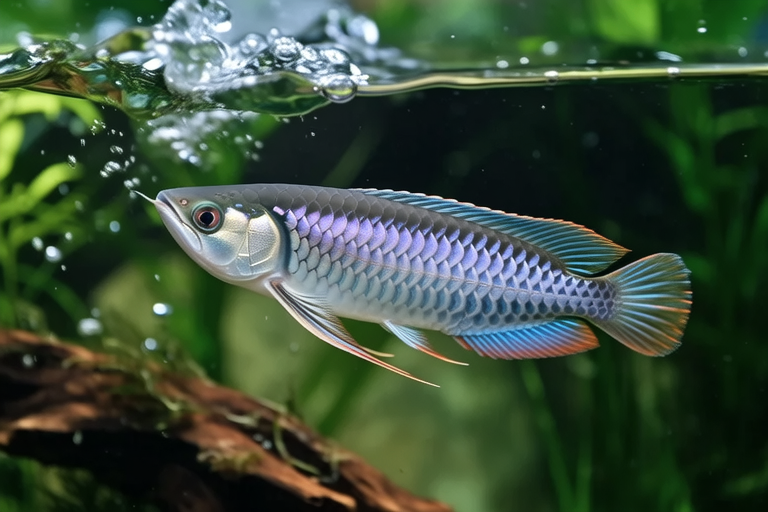
Rising Scales: How to Care for an Exotic Arowana
The Arowana, often referred to as the “Dragon Fish” due to its prehistoric appearance and regal demeanor, is one of the most sought-after species among exotic fish enthusiasts. This article aims to provide a comprehensive guide on how to care for an Arowana, covering everything from setting up the perfect tank environment to understanding their dietary needs and common health issues.
Understanding the Arowana
Arowanas belong to the family Osteoglossidae and are native to tropical regions of Africa, Asia, and South America. These fish are known for their long bodies, large scales, and impressive jumping abilities. They can grow quite large, with some species reaching lengths of over three feet. Their unique features and behaviors make them fascinating subjects for aquariums, but they also require specialized care.
Tank Setup
Size Matters
The first and foremost consideration when setting up a home for an Arowana is the size of the tank. Due to their rapid growth and large adult size, Arowanas need ample space to thrive. A minimum tank size of 75 gallons is recommended for young specimens, but adults will require significantly larger setups—often upwards of 200 gallons or more. The larger the tank, the better for these active swimmers.
Water Parameters
Maintaining optimal water conditions is crucial for the health of your Arowana. These fish prefer warm, slightly acidic water with the following parameters:
- Temperature: 78°F to 84°F (25°C to 29°C)
- pH: 6.0 to 7.5
- Hardness: 5 to 12 dGH
- Ammonia/Nitrite: 0 ppm
- Nitrate: Below 20 ppm
To achieve these conditions, regular testing and maintenance are necessary. Use high-quality filters and consider adding heaters and chillers to maintain stable temperatures. Additionally, ensure proper circulation and oxygenation with air pumps and powerheads.
Decorating the Tank
Arowanas are territorial and appreciate having places to hide and explore. Decorate the tank with sturdy plants, driftwood, and rocks, but avoid overcrowding. Provide open swimming areas and consider incorporating a floating log or platform, which Arowanas love to perch upon. Ensure all decorations are securely anchored to prevent injuries.
Feeding Habits
Arowanas are carnivorous and require a diet rich in protein. In the wild, they feed on insects, small fish, and crustaceans. In captivity, they can be fed a variety of live, frozen, or freeze-dried foods:
- Live Foods: Shrimp, worms, feeder fish
- Frozen Foods: Bloodworms, brine shrimp, mysis shrimp
- Dry Foods: High-protein pellets and sticks
It’s important to vary their diet to ensure they receive all necessary nutrients. Feed them two to three times a week, offering only what they can consume within a few minutes to prevent waste and water pollution. Always monitor their eating habits and adjust feeding amounts accordingly.
Health Issues
Despite their hardiness, Arowanas can suffer from various health problems if not cared for properly. Some common issues include:
- Fungal Infections: Caused by poor water quality, leading to white spots on the body.
- Bacterial Infections: Often manifest as red patches or sores.
- Fin Rot: Characterized by frayed or disintegrating fins.
- Jumping Injuries: Arowanas are known jumpers and can injure themselves if the tank is not properly secured.
Preventative measures include maintaining clean, well-maintained tanks and avoiding overcrowding. If you notice any signs of illness, consult with a veterinarian specializing in aquatic animals for treatment options.
Unique Behaviors
Arowanas exhibit several fascinating behaviors that make them a joy to observe:
- Surface Feeding: Arowanas often leap out of the water to catch prey, a behavior reminiscent of their ancestors.
- Social Structure: While generally solitary, Arowanas can develop social hierarchies in groups, especially during feeding times.
- Parental Care: Some species of Arowanas exhibit parental care, guarding their eggs and fry.
Observing these behaviors can provide hours of entertainment and deepen your connection with your fish.
Responsibilities and Considerations
Owning an Arowana is a significant commitment. Before diving into this rewarding yet challenging hobby, consider the following:
- Cost: Setting up and maintaining a suitable environment can be expensive.
- Time Commitment: Regular monitoring and maintenance are required to keep your Arowana healthy.
- Lifespan: Arowanas can live for decades, so be prepared for a long-term commitment.
- Legalities: Check local laws and regulations regarding the ownership of exotic fish.
For those ready to take on the challenge, the rewards of caring for an Arowana are immeasurable. These magnificent creatures offer a glimpse into the wonders of the natural world right in your own home.
Conclusion
Caring for an Arowana is both an art and a science. By providing the right environment, diet, and attention, you can ensure your fish leads a long, healthy life. Whether you’re a novice or an experienced aquarist, the journey of raising an Arowana is sure to be a memorable one. Remember, the key to successful Arowana keeping lies in preparation, dedication, and a genuine love for these extraordinary creatures.
