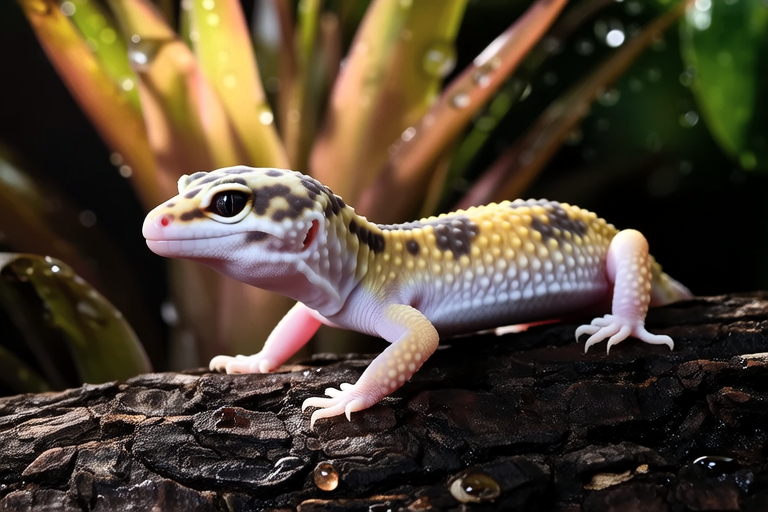
Chameleon Care: Top Tips for Happy and Healthy Lizards
Welcome to the fascinating world of chameleons! These unique reptiles have captivated the hearts of many with their vibrant colors and intriguing behaviors. As a chameleon owner, it’s your responsibility to provide them with the best care possible. This comprehensive guide will walk you through everything you need to know about keeping your chameleon happy and healthy.
Understanding Your Chameleon
Before diving into specific care instructions, it’s important to understand what makes chameleons so special. They are arboreal creatures, meaning they spend most of their time climbing and resting in trees. Their ability to change color is one of their most well-known features, but did you know that this is not just for camouflage? It also plays a role in regulating body temperature and expressing emotions.
Dietary Needs
Feeding your chameleon properly is crucial for its overall health. In the wild, chameleons are insectivores, meaning their diet consists mainly of insects. However, they require a variety of nutrients that cannot be found in insects alone. Here’s how to ensure your chameleon gets all the necessary vitamins and minerals:
- Variety: Offer a wide range of insects such as crickets, dubia roaches, silkworms, and hornworms. Avoid mealworms and superworms as they can cause digestive issues.
- Gut Loading: Feed the insects a nutritious diet before offering them to your chameleon. This ensures that your chameleon receives additional vitamins and minerals from the insects.
- Dusting: Dust the insects with a calcium supplement twice a week and a multivitamin once a week. Be careful not to overdo it, as too much supplementation can lead to health problems.
- Water: Chameleons get most of their water from the moisture in the air and their food. Mist their enclosure daily to maintain humidity levels and provide a shallow water dish for drinking.
Habitat Setup
Creating the right environment for your chameleon is vital for its well-being. Here are some key elements to consider when setting up your chameleon’s home:
Enclosure Size
The size of the enclosure depends on the species of chameleon. For instance, a veiled chameleon requires a minimum of 48 inches long by 24 inches wide by 48 inches tall, while a panther chameleon needs at least 36 inches long by 24 inches wide by 48 inches tall. Always choose the largest enclosure possible to give your chameleon plenty of space to move around and climb.
Substrate
Use a substrate that promotes cleanliness and prevents your chameleon from ingesting harmful particles. The best options include newspaper, paper towels, or reptile carpet. Avoid substrates like sand, gravel, and bark chips, which can lead to impaction if swallowed.
Furniture and Decorations
Your chameleon’s enclosure should mimic its natural habitat. Provide branches, vines, and plants for climbing and hiding. Live plants, such as ficus, pothos, and schefflera, are ideal as they help maintain humidity levels and provide a naturalistic environment. Ensure that any plant you introduce is non-toxic to chameleons.
Temperature and Humidity Requirements
Maintaining the correct temperature and humidity levels is critical for your chameleon’s health. Here’s how to create the perfect environment:
Thermometer and Hygrometer
Invest in a reliable thermometer and hygrometer to monitor these conditions. Place the thermometer at the top of the enclosure to measure the basking spot temperature and another near the bottom to check the cooler area. The hygrometer should be placed at the same level as your chameleon.
Temperature Gradient
Create a temperature gradient by placing a heat lamp at one end of the enclosure. This allows your chameleon to regulate its body temperature by moving between warmer and cooler areas. The basking spot should reach around 90°F (32°C), while the cooler side should be around 70-75°F (21-24°C).
Humidity Levels
Chameleons thrive in humid environments, but they also need periods of dryness. Maintain humidity levels between 50% and 70%. Use misting systems, foggers, or drip systems to achieve this. Ensure proper ventilation to prevent stagnant air and mold growth.
Lighting Needs
Proper lighting is essential for your chameleon’s health. It provides UVB radiation, which is necessary for calcium absorption, and UVA light, which helps with overall well-being. Here’s what you need to know:
UVB Lighting
Install a high-quality UVB bulb specifically designed for reptiles. Position the bulb within 12-18 inches of the basking spot and replace it every six months, even if it still appears functional. Ensure that the bulb covers at least half of the enclosure.
Basking Lamp
Use a ceramic heat emitter or a basking bulb to provide the necessary heat. Do not use regular incandescent bulbs as they can emit harmful UV rays. Make sure the basking spot reaches the recommended temperature.
Day and Night Cycle
Chameleons require a consistent day and night cycle. Set up timers to turn off the lights at night and provide a period of darkness for rest. A 12-hour daylight cycle is generally sufficient.
Handling Your Chameleon
While chameleons are fascinating to watch, they are not particularly fond of being handled. Here are some tips for safely interacting with your chameleon:
- Minimize Handling: Limit handling to only when necessary, such as during cage cleaning or veterinary visits.
- Support: Always support your chameleon’s body when holding it. Gently place your hand under its belly and support its legs.
- Patience: Approach slowly and calmly. Let your chameleon become accustomed to your presence before attempting to handle it.
Enrichment Activities
To keep your chameleon mentally stimulated, incorporate enrichment activities into its daily routine:
- Foraging: Hide insects in different parts of the enclosure to encourage natural foraging behavior.
- New Items: Introduce new branches, toys, or plants periodically to keep the environment interesting.
- Interactive Feeding: Use feeding sticks or tongs to make feeding more interactive and challenging.
Common Health Issues
Despite your best efforts, chameleons may still encounter health issues. Recognizing the signs early can help prevent serious complications:
Metabolic Bone Disease (MBD)
This condition occurs due to a lack of calcium and vitamin D3. Symptoms include weak limbs, swollen joints, and lethargy. Ensure proper supplementation and UVB exposure to prevent MBD.
Respiratory Infections
Chameleons are susceptible to respiratory infections, especially in improperly maintained enclosures. Look out for wheezing, nasal discharge, and labored breathing. Keep the enclosure clean and maintain appropriate temperature and humidity levels.
Stress and Illness Signs
Chameleons can show signs of stress or illness in various ways. Common indicators include:
- Loss of appetite
- Reduced activity
- Abnormal posture
- Color changes
- Visible parasites
If you notice any of these signs, consult a veterinarian specializing in reptiles immediately.
Conclusion
Owning a chameleon is a rewarding experience, but it comes with significant responsibilities. By understanding and meeting your chameleon’s specific needs, you can ensure it lives a long and healthy life. Remember to provide a balanced diet, suitable habitat, proper lighting, and enrichment activities. Always be vigilant for signs of stress or illness and seek professional help when needed. With love, care, and attention, you can create a thriving environment for your chameleon.
