Top 10 Facts About the Enchanting Hotot Rabbit You Need to Know
The Hotot rabbit is a breed that has captured the hearts of many due to its unique appearance and charming personality. This article delves into the top 10 facts about the Hotot rabbit, covering its history, physical characteristics, temperament, dietary needs, and health concerns. Additionally, it provides essential care tips and insights into the breed’s role in both show and home environments.
1. A Distinctive Appearance
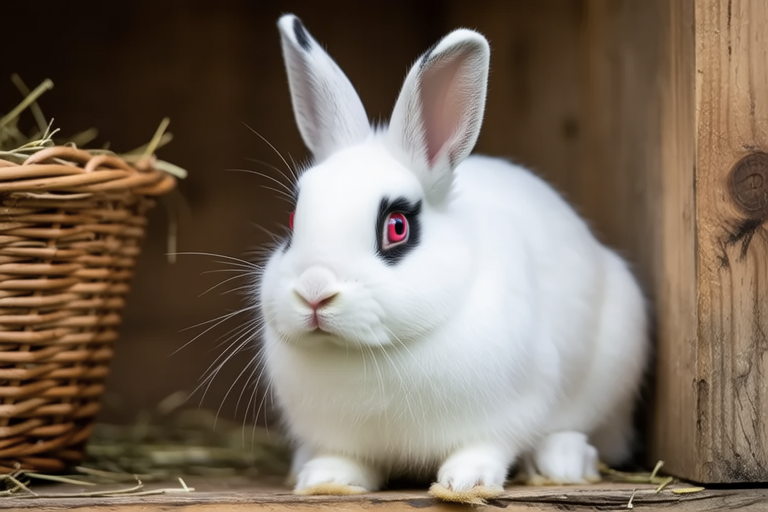
The Hotot rabbit is instantly recognizable by its striking white fur with black rings around its eyes. These eye rings give the impression of mascara, making the Hotot look like it’s wearing makeup. The breed’s name ‘Hotot’ is derived from the town of Hotot-en-Auge in Normandy, France, where it was developed. The fur is dense and short, providing a sleek and elegant look. The eyes are typically dark brown or black, adding to the breed’s captivating appearance.
2. Size and Weight
Hotot rabbits are medium-sized breeds, with adult males weighing between 3.6 to 4.5 kilograms (8 to 10 pounds) and females slightly heavier at 4.5 to 5.4 kilograms (10 to 12 pounds). Their compact bodies and short legs make them appear even smaller than their actual weight suggests. Despite their size, they are agile and can jump surprisingly high for their stature.
3. Temperament and Personality
Hotot rabbits are known for their friendly and gentle nature. They are social animals that thrive on interaction with their human companions and other rabbits. They are generally calm and easygoing, making them ideal pets for families and individuals looking for a companion animal. However, they require regular handling and socialization to maintain their friendly demeanor.
4. Dietary Needs
Like all rabbits, Hotots need a diet rich in fiber. Their main food source should be hay, which aids in digestion and keeps their teeth healthy. Pellets designed specifically for rabbits should also be provided, but in moderation, as excessive consumption can lead to obesity. Fresh vegetables and fruits can be given as treats but should be introduced gradually to prevent digestive upset. Always ensure access to clean water.
5. History and Origin
The Hotot rabbit was developed in the early 20th century by Eugenie Bernhard of France. Her goal was to create a rabbit breed with perfect eye rings. She crossed the Checkered Giant and White Deutscher Pluessi breeds, resulting in the Hotot we know today. The breed was recognized by the American Rabbit Breeders Association (ARBA) in 1924 and gained popularity as a show rabbit due to its unique appearance.
6. Common Health Issues
Hotot rabbits, like any other breed, can suffer from certain health issues. Dental problems are common in rabbits, especially if their diet lacks sufficient fiber. Overgrown teeth can cause pain and difficulty eating. Regular dental check-ups are necessary to prevent these issues. Other health concerns include respiratory infections, which can be caused by poor ventilation or overcrowding. Proper hygiene and living conditions are crucial for maintaining the health of your Hotot rabbit.
7. Show Standards
In shows, Hotot rabbits are judged based on their appearance and adherence to breed standards. The most critical aspect is the eye ring, which must be distinct and well-defined. Judges also assess the rabbit’s body shape, coat quality, and overall presentation. To prepare for shows, Hotots should be groomed regularly and kept in good health. Training and handling are also important to ensure they are comfortable and well-behaved during judging.
8. Care Tips for Potential Owners
If you’re considering bringing a Hotot rabbit into your home, there are several things to keep in mind. First, provide a spacious and secure living environment. Rabbits need room to move around and play, so a large cage or indoor space is ideal. Second, ensure they have plenty of toys and activities to keep them mentally stimulated. Third, handle your rabbit gently and frequently to build trust and strengthen your bond. Lastly, consult a veterinarian familiar with rabbits to address any specific health concerns.
9. Role in the Home Environment
Hotot rabbits make excellent pets for homes with children and adults alike. Their gentle nature and playful disposition make them enjoyable companions. They are relatively quiet compared to other small pets, making them suitable for apartment living. However, it’s important to remember that rabbits are prey animals and may become stressed in noisy or chaotic environments. Providing a calm and secure home is key to their happiness and well-being.
10. Unique Characteristics
Beyond their distinctive appearance, Hotot rabbits possess several unique traits. They are intelligent and can be trained to perform simple tricks. Their curiosity often leads them to explore their surroundings, and they enjoy interacting with their owners. Hotots are also known for their strong bonds with their human companions, often seeking out attention and affection. These qualities make them not only beautiful but also delightful pets.
In conclusion, the Hotot rabbit is a breed that combines beauty with charm, making it a favorite among rabbit enthusiasts. From its origins in France to its current status as a popular pet and show rabbit, the Hotot has much to offer potential owners. By understanding its unique characteristics, dietary needs, and health concerns, you can provide the best possible care for this enchanting breed.
