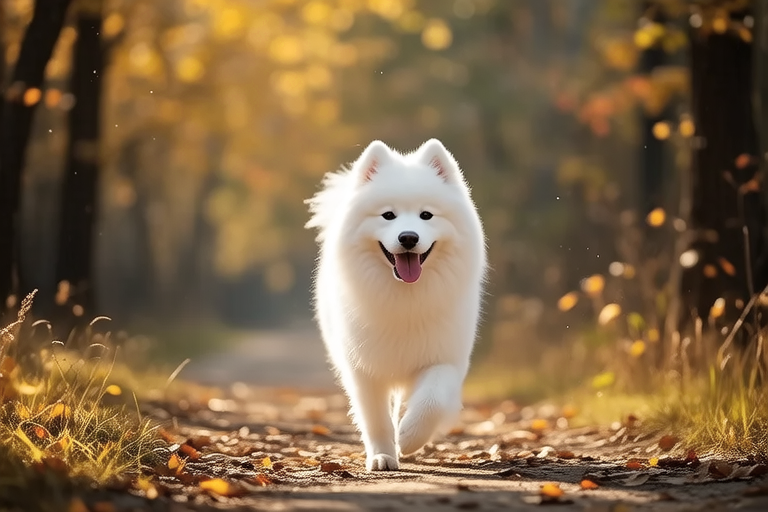
The Ultimate Guide to Caring for Your Energetic Samoyed
Welcome to the world of Samoyeds! Known for their striking white coats and friendly dispositions, these dogs are beloved by many. If you’re a proud owner or considering bringing a Samoyed into your life, this guide will provide all the information you need to ensure your furry friend lives a long, healthy, and happy life.
Diet and Nutrition: Tailored for Samoyeds
Samoyeds are medium-sized dogs with high energy levels, so it’s important to feed them a balanced diet that meets their nutritional needs. Their diet should include high-quality protein sources such as chicken, fish, and beef. Carbohydrates like rice, sweet potatoes, and oats can be included to provide energy. Vitamins and minerals are also essential, especially those that promote joint health, such as glucosamine and chondroitin. Avoid feeding them foods high in sugar or fat, as they can lead to obesity and other health problems.
When choosing dog food, look for products that list meat as the first ingredient and avoid fillers like corn, soy, and artificial preservatives. Consult with your veterinarian to determine the appropriate amount of food for your Samoyed based on its age, weight, and activity level. Always provide fresh water and consider adding supplements if necessary.
Exercise Needs and Recommended Activities
Samoyeds are an active and intelligent breed that requires regular physical and mental stimulation. They were originally bred to herd reindeer and pull sleds, so they have a lot of stamina and thrive when given the opportunity to run and play.
Regular walks, jogging, and playing fetch are excellent ways to keep your Samoyed physically fit. They also enjoy hiking and swimming. Agility courses and obedience classes are great options for keeping their minds sharp. Remember that Samoyeds are pack animals, so they enjoy activities where they can bond with their owners. Always supervise your Samoyed during outdoor activities to ensure their safety.
Grooming Tips for Coat Maintenance
A Samoyed’s thick, fluffy double coat requires regular grooming to keep it looking its best and prevent matting. Brush your Samoyed at least twice a week, more frequently during shedding season, which typically occurs twice a year. Use a slicker brush and comb to remove tangles and dead hair. Bathe your Samoyed every few months, or as needed, using a gentle shampoo that won’t strip their coat of its natural oils.
Pay special attention to areas around the ears, eyes, and paws. Trim any excess hair from between the paw pads to prevent matting and infection. Regularly clean your Samoyed’s ears with a cotton ball and pet-safe ear cleaner to prevent wax buildup and infections. Check your Samoyed’s eyes daily for any signs of irritation or discharge.
Common Health Issues and How to Prevent Them
Like all breeds, Samoyeds are prone to certain health conditions. Some of the most common include hip dysplasia, elbow dysplasia, and progressive retinal atrophy (PRA). Regular veterinary check-ups and genetic testing can help identify and manage these conditions early on.
To prevent health issues, maintain a healthy weight through proper diet and exercise, and ensure your Samoyed gets regular vaccinations and parasite control. Provide a safe environment for your Samoyed to prevent accidents and injuries. Early intervention and consistent care can help your Samoyed live a long and healthy life.
Training Techniques That Work Best With This Breed
Samoyeds are intelligent and eager to please, making them relatively easy to train. However, their independent nature means they can be stubborn at times. Positive reinforcement techniques, such as rewarding good behavior with treats and praise, are highly effective. Consistency is key when training your Samoyed. Establish clear rules and expectations, and be patient and persistent.
Start training your Samoyed at an early age and gradually introduce new commands and tricks. Socialization is also crucial for your Samoyed’s development. Expose them to different people, places, and situations to help them become well-rounded and confident. Training sessions should be short and fun, lasting no more than 10-15 minutes at a time. Keep training sessions varied and engaging to keep your Samoyed interested and motivated.
Advice on Socializing Your Samoyed
Socializing your Samoyed is essential for their emotional and behavioral development. Introduce your Samoyed to new people, animals, and environments from an early age. Encourage positive interactions and reward calm, friendly behavior. Puppy classes are a great way to socialize your Samoyed and provide structured training in a controlled environment.
Expose your Samoyed to various sounds, sights, and smells to help them become comfortable in different situations. Be patient and understanding as your Samoyed adjusts to new experiences. Socialization is an ongoing process, and continued exposure to new stimuli throughout your Samoyed’s life will help them remain well-adjusted and adaptable.
In conclusion, caring for a Samoyed is a rewarding experience that requires commitment and dedication. By following the guidelines outlined in this guide, you can ensure your Samoyed enjoys a long, healthy, and happy life. Remember that each dog is unique, and it’s important to tailor your approach to meet the specific needs of your Samoyed. With love, patience, and care, you and your Samoyed can share many wonderful years together.
