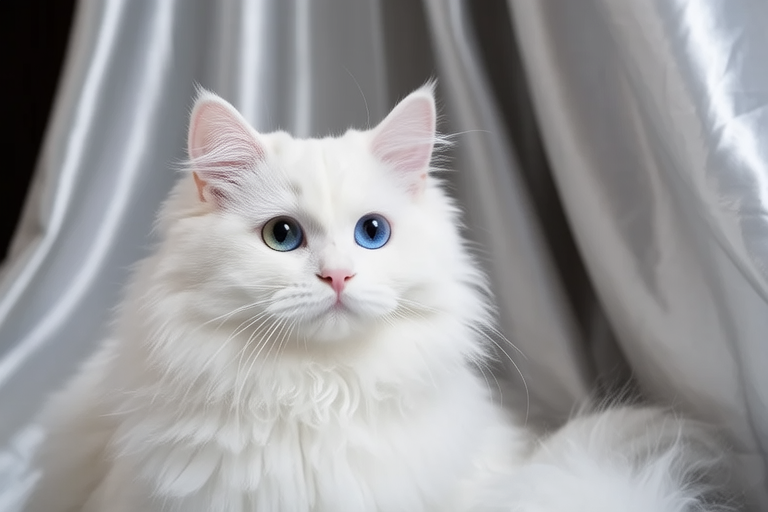
Turkish Angora Cats: A Symphony of Beauty and Elegence
In the realm of feline elegance, few breeds can rival the Turkish Angora. Known for their striking appearance, lively personalities, and rich history, these cats have captivated hearts for centuries. This article delves into the unique characteristics, history, and care requirements of Turkish Angora cats, offering insights that will appeal to both cat enthusiasts and prospective owners.
The Graceful Appearance of Turkish Angora Cats
At first glance, the Turkish Angora’s sleek, slender build commands attention. Their bodies are long and muscular, with a graceful arch from neck to tail. The breed’s hallmark feature is its silky, semi-long coat, which shimmers in various shades of white, black, red, and tabby. The fur is fine, soft to the touch, and often features a distinct ‘bunny’ texture, particularly around the neck, giving them a luxurious appearance.
Their large, expressive eyes are another defining characteristic. They come in a variety of colors, including blue, green, and amber, adding to their mystique. Blue-eyed Turkish Angoras are especially prized, with their piercing gaze and ethereal beauty making them stand out even more. Their ears are large and wide-set, contributing to their alert and curious nature.
A Rich History Rooted in Turkey
The origins of the Turkish Angora trace back to ancient times in central Turkey. Legend has it that Noah released a pair of these cats from his Ark, ensuring the survival of the breed. While this tale is undoubtedly mythical, there is no doubt that Turkish Angoras have been cherished in their homeland for many generations.
In the 17th century, Turkish Angoras were introduced to Europe as exotic pets. They quickly gained popularity among the aristocracy, with their elegant appearance and gentle demeanor making them ideal companions. Over time, the breed spread across the globe, becoming a favorite among cat fanciers.
These cats also play a significant role in Turkish folklore. In one story, a Turkish Angora saved a village by alerting its inhabitants to an impending flood. Another tale recounts how a Turkish Angora helped a shepherd find his lost flock. These stories highlight the intelligence and loyalty of the breed, traits that have endeared them to people for centuries.
The Role of Turkish Angora Cats in Folklore
Turkish Angora cats are not just admired for their physical beauty but also for their intelligence and loyalty. In Turkish folklore, these cats are often depicted as protectors and guides. One famous tale tells of a Turkish Angora who saved a village from an impending flood by alerting its inhabitants. Another story recounts how a Turkish Angora helped a shepherd find his lost flock. These tales underscore the breed’s intelligence and loyalty, making them beloved figures in Turkish culture.
Becoming Popular Worldwide
The Turkish Angora’s journey from a regional favorite to a global sensation began in earnest during the 20th century. As more cat shows and breeding programs emerged, the breed’s popularity grew. Today, Turkish Angoras can be found in homes and show rings across the world, captivating audiences with their elegance and grace.
Their international recognition is due in part to their striking appearance and unique personality. Turkish Angoras are known for their playful and energetic nature, making them excellent companions for active families. They are also highly intelligent and trainable, often learning tricks and responding well to positive reinforcement.
Care Requirements and Health Considerations
While Turkish Angoras are generally healthy cats, they do require regular grooming to maintain their luxurious coats. Their silky fur requires daily brushing to prevent matting and tangling, especially during shedding seasons. Additionally, their ears should be cleaned weekly to prevent infections.
Regular veterinary check-ups are essential for maintaining their health. Common health issues include hypertrophic cardiomyopathy, a form of heart disease, and patellar luxation, a condition affecting the kneecap. Early detection and treatment can help manage these conditions effectively.
Dietary considerations are also important for Turkish Angoras. A high-quality, protein-rich diet is recommended to support their lean muscle mass and overall health. Fresh water should always be available, and treats should be given sparingly to avoid obesity.
Tips for Potential Owners
If you’re considering adopting a Turkish Angora, there are several factors to keep in mind. First, ensure you have the time and resources to provide the necessary care. These cats thrive on interaction and stimulation, so plan to spend quality time with your new pet each day.
Second, consider the breed’s energy level. Turkish Angoras are active and playful, requiring plenty of space to move around. If you live in a small apartment, make sure to provide ample toys and climbing structures to keep your cat entertained.
Finally, research reputable breeders or shelters to find your perfect match. Look for cats with clear eyes, clean ears, and a healthy coat. Spend time getting to know the kitten or cat before making a decision to ensure a good fit for your lifestyle.
Turkish Angora cats are a true symphony of beauty and elegance, combining striking appearance, lively personalities, and a rich history. Whether you’re a seasoned cat enthusiast or a first-time owner, these cats offer a unique and rewarding experience. With proper care and attention, a Turkish Angora can become a cherished member of your family, bringing joy and companionship for years to come.
