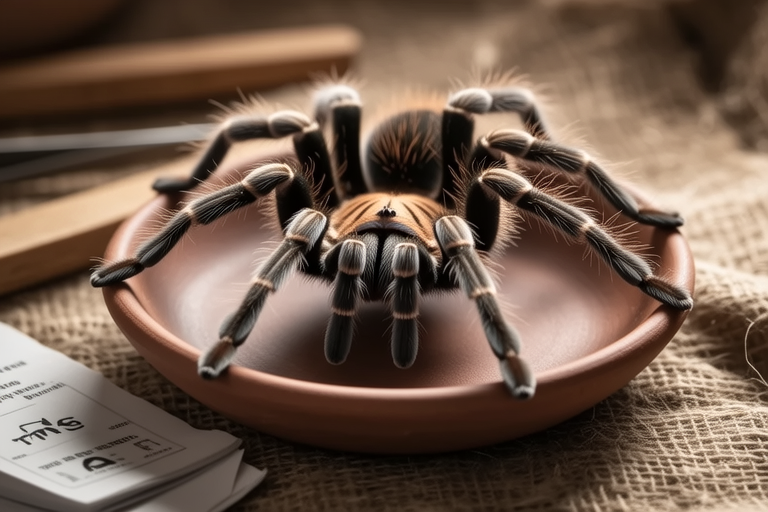
Step-by-Step Tips for Handling Your Chilean Rose Tarantula Safely
Introduction:
The Chilean rose tarantula (Grammostola rosea) is one of the most popular pet tarantulas due to its docile nature and relatively low maintenance requirements. Originating from the deserts of Chile, these arachnids are known for their beautiful pinkish hue, which deepens as they mature. Their calm demeanor makes them ideal for beginners, but it’s important to handle them with care to ensure both your safety and theirs. In this guide, we will walk you through the essential steps for safely handling your Chilean rose tarantula.
Understanding the Chilean Rose Tarantula
Before diving into the handling techniques, it’s crucial to understand the temperament and behavior of your Chilean rose tarantula. These tarantulas are generally calm and docile, but like any animal, they can become stressed or defensive if mishandled. They have potent venom that can cause localized pain and swelling, so always approach them with respect and caution.
Step-by-Step Guide to Handling Your Chilean Rose Tarantula
Step 1: Preparation
Ensure you have everything ready before attempting to handle your tarantula. This includes:
- A secure, spacious area free from distractions.
- Gloves, if preferred, though many owners handle their tarantulas bare-handed.
- A container or holding tank to place the tarantula after handling.
Choose a time when your tarantula is active and not molting. Molting is a vulnerable period, and handling during this time can be harmful.
Step 2: Proper Picking Up Technique
To pick up your Chilean rose tarantula, gently approach its enclosure. Slowly open the tank lid, ensuring not to startle the tarantula. Use a broad, flat object like a small piece of cardboard or a tarantula hook to gently coax the tarantula onto the surface. Avoid grabbing the tarantula directly, as this can stress it out or cause injury.
Step 3: Maintaining Grip
Once the tarantula is on the surface, carefully transfer it to your gloved hand or the handling tool. Keep your fingers spread wide and your palm flat to provide a stable surface. Hold the tarantula by its abdomen, allowing its legs to dangle naturally. Be gentle; squeezing too tightly can harm the tarantula.
Step 4: Setting Down Safely
When you’re ready to set your tarantula back into its enclosure, do so gently. Place it in a corner of the tank where it feels secure. Avoid dropping it, as this can cause injury. Once it’s settled, close the tank lid securely.
Safety Precautions
Handling your Chilean rose tarantula safely requires careful attention to several key safety measures:
- Wash your hands thoroughly before and after handling to prevent the transfer of oils or pathogens.
- Handle your tarantula only when it’s awake and active. A sleeping tarantula may react defensively if disturbed.
- Be cautious around the tarantula’s fangs, which are located near the front of its body. While its venom is not typically dangerous to humans, a bite can be painful.
- Avoid handling your tarantula immediately after feeding, as it may regurgitate its meal if startled.
Common Handling Mistakes and How to Avoid Them
Even experienced tarantula handlers can make mistakes. Here are some common errors and how to avoid them:
- Not Respecting the Tarantula’s Space: Always give your tarantula ample space and time to acclimate to its environment before handling. Rushing the process can lead to stress and defensive reactions.
- Improper Handling Techniques: Using incorrect techniques can cause injury to both you and your tarantula. Always use slow, deliberate movements and avoid sudden jerks.
- Ignoring Safety Gear: Even if you’ve handled your tarantula many times, it’s wise to wear gloves and use tools like hooks to minimize direct contact.
Tips for Regular Handling Practices
Regular, gentle handling can help build trust and comfort between you and your tarantula. Here are some tips for incorporating handling into your routine:
- Handle your tarantula no more than once every few days to avoid over-stressing it.
- Start with short sessions and gradually increase the duration as your tarantula becomes more comfortable.
- Observe your tarantula’s behavior closely. If it appears agitated or uncomfortable, stop handling and give it time to settle.
- Offer treats or rewards after handling to create positive associations.
Conclusion:
Handling your Chilean rose tarantula safely is an art that requires patience, practice, and respect. By following these step-by-step tips and adhering to the safety precautions outlined, you can enjoy a rewarding relationship with your pet while minimizing the risks associated with handling. Remember, each tarantula is unique, so take the time to understand your specific pet’s needs and preferences. With consistent, gentle handling, you’ll build a strong bond that will enrich both your lives.
