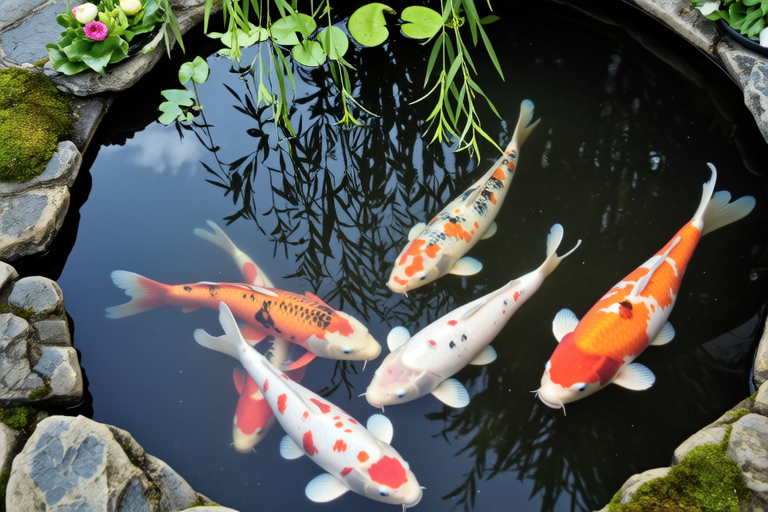
How to Create the Perfect Pond for Your Vibrant Koi Collection
Welcome to the world of koi keeping! Koi are not just fish; they are living art that can transform your garden into a serene oasis. Creating the perfect pond for your vibrant koi collection requires careful planning and consideration of several factors. This guide will walk you through the essentials of setting up a healthy, thriving environment for your colorful companions.
Selecting the Ideal Location
The first step in creating your koi pond is choosing the right spot. The location should be relatively flat and free from strong winds or direct sunlight. A shaded area is ideal, as it helps keep the water cool and reduces algae growth. However, too much shade can lead to low oxygen levels, so some sunlight is necessary to support aquatic plants that produce oxygen through photosynthesis.
Avoid placing your pond near trees, as fallen leaves can clog filters and contribute to water quality issues. Also, ensure there’s easy access for maintenance and viewing pleasure. Consider proximity to your home for convenience but maintain enough distance to avoid disturbing your fish with household noises.
Pond Size and Depth Considerations
The size of your pond depends on the number of koi you plan to house. As a general rule, each adult koi needs about 200 gallons of water. For example, if you want to keep five adult koi, your pond should hold approximately 1000 gallons. Larger ponds are easier to manage because they dilute waste products more effectively.
Depth is equally important. Shallow ponds heat up quickly during summer and freeze easily in winter, both of which can stress your koi. Aim for a minimum depth of three feet (one meter) at one end of the pond to provide a refuge from predators and extreme temperatures. Deeper areas also help maintain stable water conditions throughout the year.
Filtration Systems
A good filtration system is crucial for removing debris, excess food, and harmful chemicals from the water. There are three main types of filtration: mechanical, biological, and chemical.
- Mechanical filtration: Uses skimmers or nets to catch large particles like leaves and uneaten food before they settle in the pond.
- Biological filtration: Provides surfaces where beneficial bacteria can grow. These bacteria convert toxic ammonia into less harmful substances.
- Chemical filtration: Utilizes materials like activated carbon to absorb dissolved organic compounds and improve water clarity.
Choose a filter based on your pond’s volume and the number of fish. Regular cleaning and maintenance of these systems are vital to their effectiveness.
Aeration Methods
Oxygen is essential for the health and well-being of your koi. Aeration devices, such as air pumps and diffusers, increase oxygen levels by breaking the surface tension of the water. This process allows more oxygen to dissolve into the water while releasing carbon dioxide.
During warmer months, when oxygen levels naturally decrease, consider adding additional aeration equipment. Ensure proper circulation within the pond to prevent stagnant areas where pollutants might accumulate.
Beneficial Plants
Plants play multiple roles in maintaining a balanced ecosystem. They provide hiding spots for young fish, natural food sources, and contribute to oxygen production. Some popular choices include water lilies, lotus flowers, and submerged plants like hornwort.
For aesthetic appeal, floating plants like water hyacinths add color and texture without overcrowding the space. Be cautious with invasive species, which could take over your pond and disrupt its balance.
Maintaining Water Quality
Regular testing of pH, ammonia, nitrite, and nitrate levels ensures optimal water conditions for your koi. Use test kits available at pet stores to monitor these parameters regularly.
To maintain good water quality, perform partial water changes every few weeks. Replace about 10-20% of the total volume with fresh water. Always treat new water to remove chlorine and chloramines before introducing it to the pond.
Temperature Control
Koi thrive in temperatures between 68°F and 77°F (20°C – 25°C). In colder climates, consider installing a heater to maintain this range during winter months. Conversely, shading the pond during hot summers prevents overheating.
Gradual temperature changes are better tolerated than sudden shifts. Avoid exposing your pond to rapid fluctuations, especially during seasonal transitions.
Tips for Feeding and Caring for Koi
Feeding your koi a balanced diet promotes their health and enhances their vibrant colors. High-quality pellets formulated specifically for koi offer complete nutrition. Feed them small amounts two to four times daily, ensuring they consume all the food within a few minutes.
Overfeeding leads to poor water quality and obesity, so practice moderation. Observe your fish’s behavior and adjust feedings accordingly. Additionally, supplement their diet with occasional treats like freeze-dried bloodworms or vegetables like zucchini.
Regularly check for signs of illness or injury, such as lethargy, abnormal swimming patterns, or lesions. Promptly address any issues by consulting with a veterinarian specializing in aquatic animals.
Importance of a Balanced Ecosystem
A healthy pond supports a diverse community of microorganisms, plants, and animals working together to create a self-sustaining environment. Each component plays a role in maintaining water purity and supporting life.
By fostering this balance, you ensure your koi remain vibrant and active. Their bright hues and graceful movements become focal points of your outdoor space, bringing joy and tranquility to your surroundings.
In conclusion, building the perfect pond for your koi involves thoughtful planning and ongoing care. With attention to detail and commitment to maintaining a harmonious ecosystem, you’ll enjoy years of rewarding experiences with these beautiful creatures. Happy ponding!
