How to Care for an Abyssinian: Tips from Expert Breeders
The Abyssinian cat is a unique and captivating breed known for its striking appearance and lively personality. Originating from ancient times, this breed has a rich history that contributes to its distinctive traits. Understanding the origins and characteristics of the Abyssinian is crucial for prospective owners who wish to provide the best care for their new pet.
Understanding the Abyssinian Breed’s Origins and Characteristics
The Abyssinian is one of the oldest domesticated cat breeds, with a lineage that can be traced back thousands of years. Historically, they were believed to have originated from the coast of the Indian Ocean and parts of the Red Sea. These cats were often found near ports where they would catch rodents, making them valuable companions for sailors. The breed was first recognized in England in the late 19th century, where it was named after the region of Abyssinia (now Ethiopia).
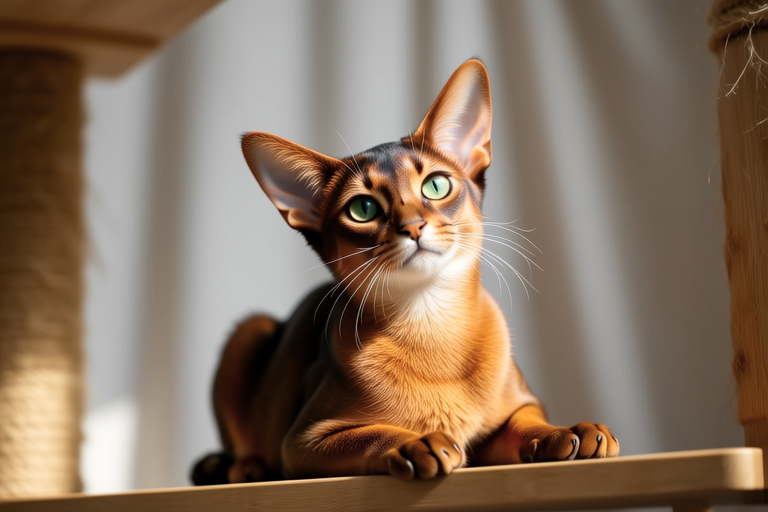
Abyssinians are medium-sized cats with a slender, athletic build. They have a short, ticked coat, which means each hair has bands of two colors, giving them a distinct ‘tipped’ appearance. Their eyes are large and expressive, typically a green or gold color, adding to their captivating charm. Known for their high energy levels, Abyssinians are curious, playful, and very intelligent. They require mental stimulation and enjoy interactive play, making them ideal for households that can provide ample engagement.
Dietary Needs Tailored Specifically for Abyssinians
Feeding your Abyssinian a balanced diet is essential for maintaining their health and vitality. Abyssinians have specific dietary needs due to their genetic predispositions and active lifestyle. A high-quality, protein-rich diet is recommended to meet their nutritional requirements. Look for cat food that lists meat as the primary ingredient, ensuring it contains sufficient amounts of taurine, an amino acid vital for heart and eye health.
Experts suggest feeding Abyssinians a combination of wet and dry food to promote dental hygiene and overall well-being. Wet food helps in maintaining hydration, which is particularly important for cats prone to urinary tract issues. It’s advisable to avoid foods containing fillers, artificial preservatives, and sugars, as these can lead to obesity and other health problems. Regular veterinary check-ups can help monitor your Abyssinian’s weight and adjust their diet accordingly.
Grooming Tips to Maintain Their Coat Health
Maintaining the Abyssinian’s coat requires regular grooming to prevent matting and ensure their skin remains healthy. Despite their short fur, Abyssinians need brushing at least twice a week to remove loose hairs and distribute natural oils throughout the coat. Use a soft-bristled brush or a grooming glove to gently massage their skin while removing any dirt or debris.
Bathing is generally unnecessary unless your Abyssinian gets particularly dirty. Over-bathing can strip the coat of its natural oils, leading to dryness and irritation. If bathing is required, use a gentle, pH-balanced shampoo specifically designed for cats. After washing, thoroughly rinse out all shampoo residue and dry your cat completely to prevent chills. Additionally, regular nail trimming and ear cleaning should be part of your grooming routine to keep your Abyssinian looking and feeling great.
Exercise Requirements to Keep Them Active and Healthy
Abyssinians are highly energetic and require plenty of physical activity to stay healthy and happy. Providing them with interactive toys such as feather wands, laser pointers, and puzzle feeders can help channel their energy into positive outlets. Encouraging play sessions twice daily will not only keep them physically fit but also mentally stimulated.
Creating a stimulating environment is key to keeping an Abyssinian engaged. Install cat trees, scratching posts, and window perches to allow them to climb, scratch, and observe their surroundings. Consider investing in a cat wheel or tunnel for additional exercise opportunities. Regular playtime not only benefits their physical health but also strengthens the bond between you and your pet.
Common Health Issues Faced by Abyssinians and How to Prevent or Manage These
While Abyssinians are generally healthy cats, they are susceptible to certain genetic conditions. One of the most common issues is Periodontal Disease, which can lead to tooth loss if left untreated. Regular dental check-ups and brushing your cat’s teeth at home can help prevent this problem. Additionally, Abyssinians may be prone to Hypertrophic Cardiomyopathy (HCM), a heart condition that can cause sudden death. Early detection through regular vet visits and genetic testing can help manage this condition.
Another concern for Abyssinians is Renal Amyloidosis, a disease that affects kidney function. This condition can be managed with a specialized diet and medication prescribed by a veterinarian. Regular blood tests and monitoring of your cat’s water intake can help detect early signs of renal issues. By staying proactive about your Abyssinian’s health, you can help them live a long and comfortable life.
Advice on Socializing and Training Them
Socialization is crucial for Abyssinians, as they thrive on interaction and attention. Introduce your cat to various people, animals, and environments during their kittenhood to ensure they grow up to be confident and well-adjusted adults. Positive reinforcement training methods, such as clicker training, can be effective for teaching basic commands and tricks. Reward your Abyssinian with treats and praise when they exhibit desired behaviors.
Abyssinians are intelligent and can become bored easily if not provided with mental stimulation. Engage them in puzzle games and interactive toys that challenge their minds. Training sessions should be kept short and fun to maintain their interest. Consistency is key in training, so establish routines and rules early on to ensure a harmonious relationship with your Abyssinian.
In conclusion, caring for an Abyssinian involves understanding their unique origins and characteristics, providing a balanced diet, maintaining their coat health, ensuring adequate exercise, managing potential health issues, and fostering socialization and training. By following these expert tips, you can ensure your Abyssinian lives a happy, healthy, and fulfilling life. With proper care and attention, you’ll have a loving companion that brings joy and excitement to your household.
