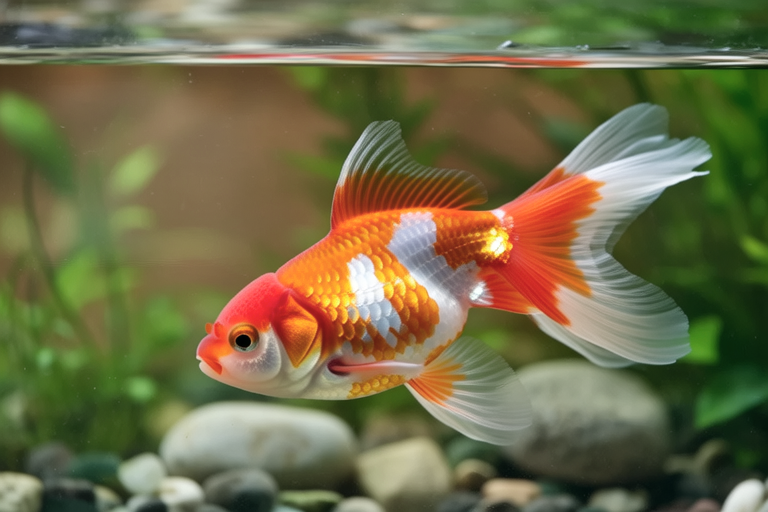
7 Myths About Goldfish That Need To Be Busted
Goldfish have long been cherished as one of the most popular pets around the world. Their vibrant colors, gentle demeanor, and relatively low maintenance requirements make them ideal companions for both novice and experienced aquarists. However, despite their widespread popularity, there are several misconceptions about these aquatic creatures that persist. This article aims to dispel seven of the most common myths about goldfish, offering insights into their true nature and needs.
Myth 1: Goldfish Have a Three-Second Memory
The Myth: One of the most enduring myths about goldfish is that they have a memory span of just three seconds. This belief suggests that goldfish live in a perpetual present, unable to retain any form of memory or learn from past experiences.
The Truth: Research has shown that goldfish possess much greater cognitive abilities than previously thought. Studies have demonstrated that goldfish can remember specific tasks for up to three months and even longer under certain conditions. They exhibit learning behaviors, such as recognizing feeding times and responding to stimuli like light changes. These findings indicate that goldfish are capable of forming memories and adapting their behavior accordingly.
Myth 2: Goldfish Can Survive in Small Bowls
The Myth: Another prevalent myth is that goldfish can thrive in small bowls or tanks without proper filtration systems. Many people mistakenly believe that goldfish are content in tiny enclosures, thinking it’s cute or practical.
The Truth: Goldfish require ample space to swim freely and maintain good health. In small containers, they suffer from poor water quality due to insufficient oxygen and excessive waste buildup. Properly sized aquariums with adequate filtration systems ensure cleaner water and reduce stress on the fish. A general rule of thumb is to provide at least ten gallons of water per adult goldfish.
Myth 3: Goldfish Don’t Require a Heater
The Myth: It’s commonly assumed that goldfish can tolerate wide temperature fluctuations because they are cold-water fish. Therefore, many owners neglect providing heaters for their tanks.
The Truth: While goldfish are indeed cold-water fish, they still benefit from stable temperatures between 68°F and 74°F (20°C – 23°C). Fluctuations in temperature can cause stress and weaken their immune systems, making them more susceptible to diseases. Investing in a reliable heater helps maintain consistent water conditions, promoting healthier living environments for your goldfish.
Myth 4: Goldfish Only Eat Fish Food
The Myth: There’s a misconception that goldfish will only eat commercially prepared fish food and won’t accept other types of sustenance.
The Truth: Goldfish are omnivorous and can enjoy a varied diet beyond standard pellets or flakes. They readily consume vegetables like peas, zucchini, and lettuce, as well as occasional treats like bloodworms or brine shrimp. Providing a diverse menu ensures balanced nutrition and keeps meals interesting for your pets. However, moderation is key; overfeeding any type of food can lead to digestive issues.
Myth 5: Goldfish Live for Only a Few Years
The Myth: Many people assume that goldfish have short lifespans, often believing they only live for a couple of years.
The Truth: With proper care, including appropriate tank size, clean water, nutritious diet, and regular health checks, goldfish can live significantly longer than expected—upwards of twenty years. Factors such as overcrowding, poor water quality, and inadequate nutrition contribute to shortened lifespans. By addressing these issues proactively, you can help extend the life expectancy of your beloved goldfish.
Myth 6: All Goldfish Are the Same
The Myth: Some folks think that all goldfish look alike and behave similarly, leading to a lack of appreciation for the diversity within this species.
The Truth: There are numerous varieties of goldfish, each with distinct physical characteristics and temperaments. Common goldfish, fancy goldfish, shubunkins, comet, and fantail are just a few examples. Each variety has unique care requirements, so understanding the specific needs of your particular breed enhances their overall well-being. Researching different types before selecting a pet allows you to make an informed decision tailored to your lifestyle and preferences.
Myth 7: Goldfish Don’t Need Company
The Myth: Some believe that goldfish prefer solitude and do not need companionship.
The Truth: Goldfish are social animals that enjoy interacting with others of their kind. Keeping multiple goldfish together encourages natural behaviors like schooling and reduces feelings of isolation. However, it’s crucial to house compatible species and avoid overcrowding to prevent stress and aggression. Ensuring sufficient space and providing hiding spots helps create harmonious communities within the tank.
Conclusion: Tips for Responsible Goldfish Care
By debunking these seven myths, we hope to promote better understanding and appreciation for goldfish as intelligent and sensitive creatures deserving of thoughtful consideration. Proper care includes providing adequate space, maintaining optimal water conditions, offering a balanced diet, and monitoring their health regularly. Remember, investing time and effort into creating suitable habitats benefits not only your goldfish but also enriches your relationship with these delightful pets.
We encourage all prospective and current goldfish owners to continue educating themselves about responsible pet ownership. Delve deeper into resources available online or consult local experts for personalized guidance. By fostering knowledgeable and compassionate care practices, you contribute positively to the well-being of these charming aquatic companions.
