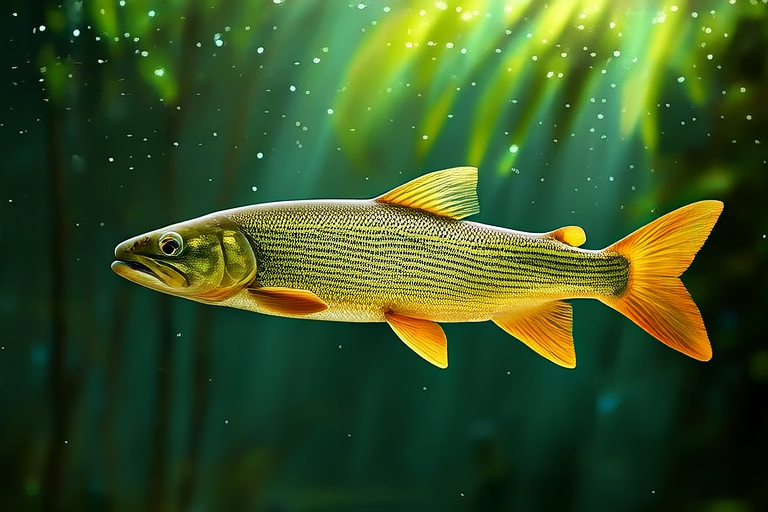
From Jungle to Aquarium: How Arowana Became a Modern Pet Sensation
The arowana, a majestic fish known for its ancient lineage and striking appearance, has captivated human fascination for centuries. Originating from the dense jungles of Southeast Asia, these creatures have been revered in local cultures for their mythical qualities and believed to bring good fortune. This article delves into the journey of the arowana from its natural habitat to becoming a sought-after exotic pet, examining its cultural significance, the factors that made it popular, and the challenges and considerations for modern pet owners.
Cultural Significance and Historical Roots
The arowana’s origins can be traced back to the lush rainforests of Indonesia, Malaysia, Thailand, and Brazil. In many Asian cultures, the arowana is considered a symbol of prosperity and good luck. Its scales are often likened to coins, and its ability to leap out of water to catch prey is seen as a sign of power and agility. The fish is also associated with the Chinese zodiac, particularly the Dragon, a creature of immense strength and wisdom. In traditional beliefs, owning an arowana is thought to bring wealth and success to its keeper.
In ancient times, arowanas were rarely seen outside their natural habitats. However, as civilizations expanded and trade routes developed, the fish began to appear in royal courts and affluent households. Their presence was not only a testament to the owner’s wealth but also a reflection of their status and influence. Over time, this reverence for the arowana evolved into a deep-rooted cultural tradition, where the fish became more than just a pet; it was a living embodiment of hope and prosperity.
The Evolution of the Arowana as a Pet
The transition of the arowana from a wild species to a modern pet began in the mid-20th century when advancements in aquaculture allowed for the controlled breeding of these fish. Initially, arowanas were primarily kept by collectors and enthusiasts who appreciated their unique physical traits and behaviors. Over time, however, their popularity spread beyond these circles, driven by several key factors.
Rarity played a significant role in the arowana’s rise to fame. Due to their limited natural distribution and the challenges involved in capturing them from the wild, arowanas were difficult to obtain. This scarcity increased their value, making them a coveted prize for collectors. Additionally, the arowana’s distinctive features, such as its elongated body, large scales, and powerful jaws, set it apart from other aquarium fish. These characteristics, combined with the myths surrounding the fish, contributed to its allure as a pet.
The arowana’s ability to leap out of the water to catch prey also adds to its mystique. This behavior, while fascinating, requires careful observation and understanding by potential owners. The fish’s impressive leaps can sometimes result in injuries if the tank is not properly designed. Despite these challenges, the arowana’s unique traits continue to attract admirers, solidifying its place in the world of exotic pets.
Challenges and Considerations for Modern Pet Owners
For those considering an arowana as a pet, there are several important factors to consider. First and foremost, the fish requires a spacious and well-maintained aquarium. Arowanas are large, active swimmers that need ample room to move and thrive. A typical tank size for a single adult arowana should be at least 400 liters, with dimensions that allow for both length and depth. Proper filtration and regular water changes are essential to maintain optimal water quality.
Diet is another crucial aspect of arowana care. In the wild, these fish are carnivorous, feeding on insects, small fish, and crustaceans. In captivity, they require a diet rich in protein, which can include live or frozen foods like shrimp, feeder fish, and earthworms. It is important to note that overfeeding can lead to health issues, so owners must carefully monitor their feeding habits.
Legal regulations also play a significant role in the ownership of arowanas. Many countries have strict laws governing the import, export, and sale of these fish due to their endangered status. In some regions, permits are required to own or breed arowanas, and certain species may be entirely prohibited. Before acquiring an arowana, potential owners should thoroughly research the legal requirements in their area to ensure compliance with local laws.
The Future of Arowana as a Pet
As the demand for arowanas continues to grow, so too does the importance of conservation efforts and sustainable practices in the pet trade industry. Many organizations and governments are working to protect wild populations and promote responsible breeding practices. By supporting ethical breeders and ensuring proper care, pet owners can help preserve the species for future generations.
Advancements in aquaculture technology offer promising solutions for meeting the growing demand for arowanas while minimizing environmental impact. Techniques such as recirculating aquaculture systems (RAS) and closed-loop breeding facilities are being explored to reduce waste and improve efficiency. These innovations not only benefit the environment but also provide better living conditions for the fish.
The future of arowana as a pet is bright, provided that we approach its care with respect and responsibility. By understanding the fish’s needs and respecting its cultural significance, we can ensure that the arowana remains a beloved and cherished member of the aquatic pet community for years to come.
