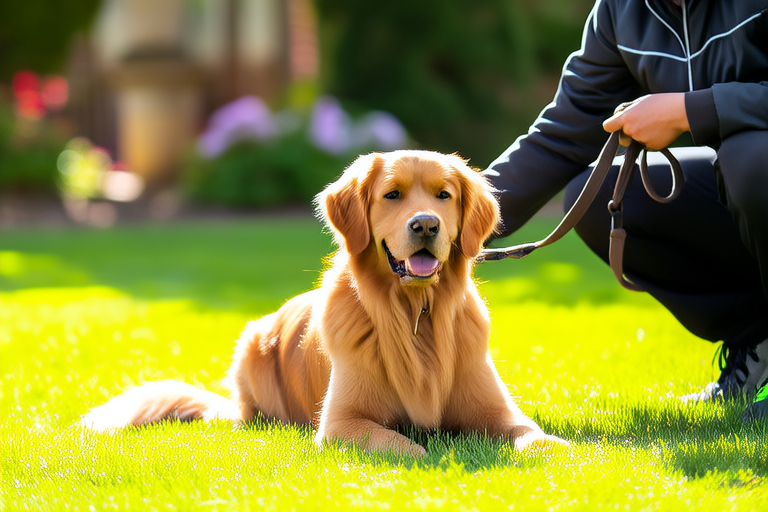
Training Tips Every Owner of a Golden Retriever Needs
Welcome to this comprehensive guide designed to help you train your golden retriever effectively. Whether you’re a first-time owner or have years of experience, these tips will ensure that your golden retriever becomes a well-behaved and happy companion.
Basic Obedience Training
Golden retrievers are intelligent and eager to please, making them excellent candidates for obedience training. Start with basic commands such as ‘sit,’ ‘stay,’ ‘come,’ and ‘leave it.’ Consistency is key; use the same command words every time and reward your dog with treats and praise when they obey. Positive reinforcement is particularly effective with golden retrievers, as it motivates them to repeat the desired behavior.
Begin training sessions in a quiet environment to minimize distractions. Gradually increase the difficulty by introducing more complex commands and adding distractions. For example, after your dog masters ‘sit’ at home, practice it in a park where there are more stimuli. This gradual progression helps your dog understand and retain commands better.
Socialization Techniques
Socializing your golden retriever is crucial for their development into a well-rounded and confident adult dog. Expose your puppy to various environments, people, and other animals from an early age. Take them to different parks, introduce them to friends, and let them meet other dogs. Always supervise interactions to ensure safety and positive experiences.
Teach your dog how to behave around strangers by inviting friends over who can offer treats and gentle petting. Encourage calm and friendly greetings rather than jumping or excessive barking. Socialization should continue throughout your dog’s life, ensuring they remain comfortable and well-adjusted in diverse situations.
Exercise Routines Tailored for Golden Retrievers
Golden retrievers are energetic dogs that require regular physical activity to maintain good health and prevent behavioral issues. Incorporate daily walks, runs, and playtime into their routine. A typical golden retriever needs about 60 minutes of exercise per day, but this can vary depending on the individual dog’s energy levels and age.
In addition to structured activities, provide mental stimulation through interactive toys and puzzles. Mental exercise is just as important as physical exercise for golden retrievers. Consider enrolling your dog in agility classes or teaching them tricks to keep their minds engaged.
Common Behavioral Issues and Solutions
Despite their generally friendly nature, golden retrievers can exhibit some behavioral issues if not properly trained or socialized. Common problems include excessive barking, chewing, and separation anxiety. Address these issues promptly and consistently to prevent them from becoming ingrained habits.
To tackle excessive barking, identify the triggers and work on desensitizing your dog to those stimuli. Teach your dog the ‘quiet’ command by rewarding them when they stop barking on command. Chewing can be managed by providing appropriate chew toys and redirecting your dog’s attention when they start chewing on something they shouldn’t.
Separation anxiety is a significant issue that requires patience and consistency. Gradually increase the amount of time your dog spends alone, starting with short periods and building up over weeks. Use calming aids like pheromone diffusers or white noise machines to create a soothing environment during your absence.
Nutritional Advice Affecting Training Outcomes
A healthy diet is essential for your golden retriever’s overall well-being and can positively impact their training progress. Choose high-quality dog food that provides balanced nutrition, including proteins, fats, carbohydrates, vitamins, and minerals. Consult with your veterinarian to determine the appropriate portion sizes based on your dog’s age, weight, and activity level.
Avoid feeding your dog table scraps or human foods that may be harmful to them. Some foods, like chocolate, grapes, and onions, can cause serious health issues. Instead, use small, healthy treats during training sessions to reinforce positive behaviors. Stay consistent with feeding times to avoid disrupting your dog’s training schedule.
Tips for Maintaining a Strong Bond Through Training
The bond between you and your golden retriever is strengthened through positive interactions and shared experiences. Make training sessions enjoyable and rewarding for both of you. Use a cheerful tone of voice and plenty of praise to create a positive atmosphere. Celebrate small successes and gradually build towards more challenging tasks.
Take breaks when necessary to prevent fatigue or frustration. If your dog seems disinterested or overwhelmed, end the session on a positive note and resume later. Spend quality time together outside of training, such as going for walks or playing fetch. These activities reinforce the bond and provide additional opportunities for communication and connection.
In conclusion, training your golden retriever is a rewarding process that enhances their behavior, health, and happiness. By following these tips, you’ll foster a strong, loving relationship with your furry friend and ensure they become a well-mannered and joyful companion. Remember, patience, consistency, and love are the keys to successful training.
