5 Surprising Facts About Norwegian Elkhounds You Didn’t Know
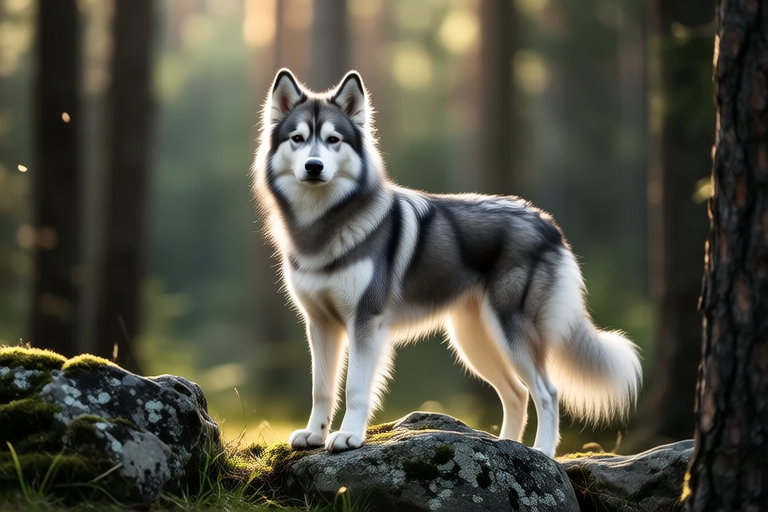
The Norwegian Elkhound, also known as the Norsk Elghund, is a spitz-type breed that hails from Norway. This ancient breed has been around for over 6,000 years, making it one of the oldest dog breeds in existence. The Norwegian Elkhound was originally bred for hunting large game like moose, which is reflected in their robust physique and sharp instincts. They are medium-sized dogs with a distinctive grey coat that is short and dense, perfect for the harsh Norwegian winters. Their ears are alert and pointed, and they have a curled tail that is typically carried over their back.
These dogs are known for their loyalty, intelligence, and resilience. They are excellent companions and are highly valued for their versatility. However, there are some lesser-known aspects of this breed that might surprise you. In this article, we will explore five surprising facts about Norwegian Elkhounds that you probably didn’t know. These insights will not only deepen your understanding of this remarkable breed but also highlight why the Norwegian Elkhound remains such a cherished part of canine history.
Fact 1: Ancient Origins and Early Roles
The Norwegian Elkhound’s history is deeply rooted in Scandinavian culture. These dogs were not just companions; they were essential tools for survival. Originally, they were used by hunters to track and corner moose, a task that required both physical endurance and mental acuity. Their role extended beyond hunting; they also served as guard dogs and herders. The Elkhound’s resilience and adaptability made them invaluable to the Vikings. Anecdotal evidence suggests that these dogs accompanied Viking explorers on their voyages, acting as protectors and companions in the uncharted territories.
Archaeological findings have revealed that bones of these dogs date back to the Iron Age, indicating their long-standing presence in Norwegian society. This historical context underscores the Norwegian Elkhound’s significance not just as a breed, but as a cultural symbol. Their early roles as hunting partners and protectors have shaped their character and abilities, contributing to their enduring popularity among dog enthusiasts today.
Fact 2: Versatility Beyond Hunting
Beyond their traditional role as hunting dogs, Norwegian Elkhounds have demonstrated remarkable versatility in other fields. They have excelled in various competitive sports, including agility trials and obedience competitions. Their intelligence and quick learning ability make them natural contenders in these arenas. For instance, many owners report that their Elkhounds can learn new commands and tricks within minutes, showcasing their exceptional problem-solving skills.
In addition to competition, these dogs are well-suited for outdoor activities like hiking and camping. Their stamina and agility allow them to keep up with even the most experienced hikers. Many Norwegian Elkhounds participate in sled races, a testament to their endurance and teamwork. One notable example is the Norwegian Elkhound’s participation in the Iditarod Trail Sled Dog Race, where they have shown impressive performance despite the challenging conditions.
This versatility highlights the breed’s adaptability and demonstrates that they are much more than just hunting dogs. Their capabilities extend to various roles, making them valuable additions to active families and individuals seeking an adventurous lifestyle.
Fact 3: Unique Physical Traits
The Norwegian Elkhound possesses several distinctive physical traits that set it apart from other breeds. One of the most striking features is their double coat, which consists of a soft undercoat and a coarser outer layer. This dual-layered coat provides excellent insulation against cold weather, making them well-suited for the frigid climates of Scandinavia. The coat’s coloration, a mix of grey, black, and cream, gives the Norwegian Elkhound its characteristic appearance.
Another unique trait is their facial expression, often described as “smiling.” This is due to the upward curve of their lips, which gives the impression of a perpetual smile. This endearing feature, combined with their alert and friendly demeanor, makes Norwegian Elkhounds particularly charming and approachable. Their expressive eyes and pointed ears add to their charismatic appearance, enhancing their appeal as both working dogs and family pets.
Their physical attributes are not merely aesthetic; they are functional adaptations to their environment and purpose. The combination of a robust build, strong legs, and a resilient coat ensures that Norwegian Elkhounds can endure the rigors of hunting and outdoor activities. These physical traits underscore the breed’s evolutionary adaptation to serve humans effectively in various capacities.
Fact 4: Intelligence and Trainability
Norwegian Elkhounds are renowned for their high intelligence and quick learning abilities. This intelligence is evident in their problem-solving skills and their capacity to understand complex commands. Owners often marvel at how quickly their dogs can grasp new tasks and commands, sometimes within a single training session. This trait is particularly useful for owners who want to engage in advanced training or participate in dog sports.
The breed’s trainability extends beyond simple obedience. Norwegian Elkhounds excel in search and rescue operations due to their keen sense of smell and ability to navigate challenging terrains. Their intelligence allows them to work efficiently with handlers, responding accurately to commands and adapting to changing situations. This makes them valuable assets in both professional and recreational settings.
However, their intelligence can sometimes lead to independent behavior if not properly managed. Consistent training and positive reinforcement are key to harnessing their potential. Proper socialization from a young age is crucial to ensure that they grow into well-adjusted, obedient dogs. With the right guidance, Norwegian Elkhounds can become exceptional companions, capable of performing a wide range of tasks.
Fact 5: Cultural Significance and Modern Popularity
The Norwegian Elkhound holds a significant place in Scandinavian culture, symbolizing strength, loyalty, and resilience. In Norway, they are celebrated as national treasures, and their image appears on postage stamps and official emblems. This cultural reverence reflects the breed’s deep-rooted connection to Norwegian heritage.
Today, the Norwegian Elkhound enjoys growing popularity worldwide. Their friendly nature and adaptability make them appealing to a wide range of families. Despite their reputation as working dogs, they thrive in modern urban environments, provided they receive adequate exercise and mental stimulation. Many owners appreciate their playful and affectionate nature, which makes them excellent companions for children and other pets.
The breed’s resurgence in popularity can be attributed to their versatile talents and unique characteristics. Whether participating in competitive events or serving as loving family members, Norwegian Elkhounds continue to captivate and inspire those fortunate enough to own them.
Conclusion: A Breed Worth Exploring
The Norwegian Elkhound is a breed rich in history, versatility, and charm. From their ancient origins as hunting companions to their modern roles as beloved pets and competitors, these dogs have consistently proven their worth. Their unique physical traits, intelligence, and cultural significance make them stand out among other breeds.
If you’re intrigued by the Norwegian Elkhound, consider delving deeper into the world of dog breeds. Each breed has its own fascinating story and characteristics, offering endless opportunities for discovery and appreciation. Whether you’re looking for a loyal companion, a competitive partner, or simply a beautiful addition to your family, there’s a breed out there waiting to be discovered. The Norwegian Elkhound is just one example of the incredible diversity within the canine kingdom.
