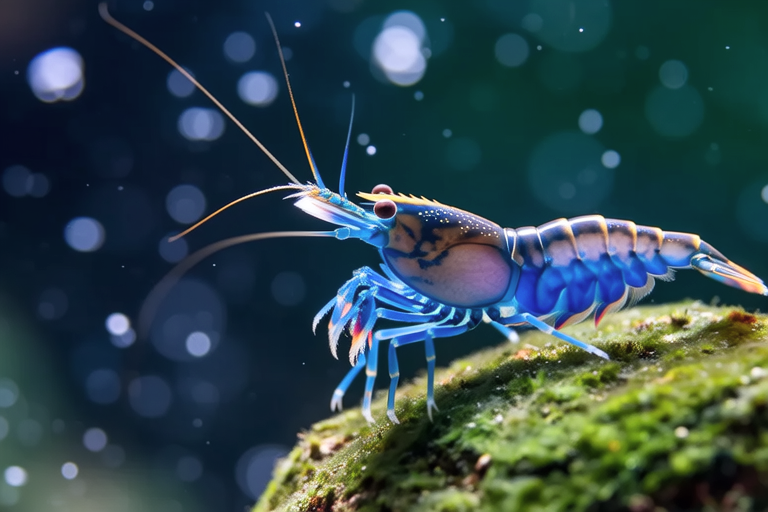
Coral Shrimp: The Ultimate Guide for Beginner Aquarists
Welcome to your ultimate guide to keeping coral shrimp in your aquarium. This comprehensive resource will provide you with all the essential information needed to successfully care for these fascinating creatures. Whether you’re a novice or an intermediate aquarist, this guide will help you understand the specific needs of coral shrimp, ensuring they thrive in your tank.
Introduction to Coral Shrimp
Coral shrimp, also known as cleaner shrimp, are popular additions to saltwater aquariums due to their attractive appearance and beneficial cleaning habits. These small crustaceans play a crucial role in maintaining the health of your aquarium ecosystem by consuming debris, detritus, and parasites from other fish. Their vibrant colors and peaceful nature make them appealing to both beginners and experienced aquarists.
Setting Up the Ideal Habitat
Water Parameters
Creating a suitable environment for coral shrimp involves maintaining stable water parameters. The ideal temperature range is between 72°F and 82°F (22°C to 28°C). Salinity should be kept at approximately 1.020 to 1.025 specific gravity. pH levels should be maintained between 8.1 and 8.4. Regular testing and monitoring of these parameters are essential to ensure the well-being of your shrimp.
Filtration
Effective filtration is vital for maintaining clean and healthy water conditions. Protein skimmers, mechanical filters, and biological filters can all contribute to removing waste products and promoting beneficial bacteria growth. Choose a filter system that provides adequate flow rates without causing excessive turbulence in the tank.
Tank Mates Compatibility
When selecting tank mates for your coral shrimp, it’s important to choose species that coexist peacefully. Suitable companions include clownfish, tangs, and other non-aggressive reef-safe fish. Avoid placing coral shrimp with larger, more aggressive species that may prey upon them or compete for food resources.
Diet and Feeding Tips
Coral shrimp primarily feed on algae, microorganisms, and leftover food particles within the aquarium. To supplement their diet, offer high-quality marine flakes, pellets, and frozen foods such as brine shrimp or mysis shrimp. Feed them small amounts several times daily rather than large meals less frequently.
Behavior and Health Monitoring
Behavioral Characteristics
Coral shrimp exhibit interesting behaviors like waving their antennae to attract clients for cleaning services. They are generally shy but will become more active over time if provided with hiding spots and sufficient space. Observe their interactions with other tank inhabitants regularly to assess their comfort level.
Common Health Issues
Monitor your coral shrimp closely for signs of illness such as lethargy, loss of appetite, or abnormal physical appearances like discoloration or lesions. Early detection allows for prompt treatment before conditions worsen. Consult with local pet stores or online forums for guidance on addressing potential health concerns.
Selecting Healthy Specimens
Choosing healthy coral shrimp requires careful selection based on physical attributes and behavior. Look for specimens with clear eyes, intact exoskeletons, and no visible injuries or deformities. Ensure they move freely throughout the tank and demonstrate normal feeding patterns.
Maintaining Optimal Conditions
To keep your coral shrimp thriving, maintain consistent water quality through regular partial water changes and proper maintenance of equipment. Additionally, provide ample hiding spaces and appropriate lighting schedules to mimic natural daylight cycles.
Conclusion
By following this comprehensive guide, you’ll be well-equipped to create a thriving home for your coral shrimp. Remember that patience and attention to detail are key when setting up and maintaining any aquatic environment. With proper care and attention, your coral shrimp will bring joy and vitality to your aquarium for years to come.
