Living with a Bengal Cat: Tips and Tricks from Expert Owners
Bengal cats are one of the most popular exotic breeds today, known for their striking appearance and playful personalities. This guide aims to provide expert insights into caring for a Bengal cat, offering tips and tricks that will help you create a happy, healthy environment for your feline friend. From understanding their unique personality traits to ensuring they receive proper nutrition and exercise, this article covers everything you need to know about living with a Bengal cat.
Understanding the Unique Personality Traits of Bengal Cats
Bengal cats are known for their vibrant personalities and high energy levels. They are curious, intelligent, and often display a strong desire to interact with their human companions. These cats are also very social and enjoy being part of the family, making them excellent pets for households where people are often present. Their playful nature means they can be great entertainers, but it also requires owners to be prepared for a lot of activity.
One of the most endearing traits of Bengal cats is their love for water. Unlike many other cat breeds, Bengals may even play with water, making them more like dogs in some respects. This trait can lead to creative and fun interactions between pet and owner, especially when incorporating water toys or creating shallow water areas for them to explore.
Dietary Needs of Bengal Cats
When it comes to feeding your Bengal cat, it’s important to understand their nutritional requirements. Bengals have a higher metabolism than many other cat breeds, which means they require more calories to maintain their energy levels. High-quality, protein-rich food is essential for their diet. Wet food is preferred as it provides the necessary moisture for their digestive health. It’s also advisable to avoid overfeeding to prevent obesity, which can lead to various health issues.
Experts recommend rotating different types of high-protein foods to ensure a balanced diet and to prevent any potential allergies. Consult with your veterinarian to determine the best diet plan for your Bengal cat, especially if you notice any changes in their behavior or physical condition that might be linked to dietary factors.
Grooming Tips for Bengal Cats
Bengal cats have short, dense coats that require minimal grooming compared to long-haired breeds. However, regular brushing is still recommended to keep their coat shiny and healthy. Use a soft-bristled brush to remove loose hair and distribute natural oils across their fur. Bathing is generally not necessary unless your Bengal gets particularly dirty or rolls in something smelly.
Due to their love for water, Bengals may enjoy bathing sessions, but it’s crucial to introduce them gradually and make the experience positive. If your Bengal cat does not take kindly to baths, consider using wet wipes or a damp cloth to clean their face and paws.
Exercise Requirements for Bengal Cats
Given their high energy levels, Bengal cats need plenty of opportunities for physical activity. Providing them with toys that stimulate their hunting instincts, such as feather wands or laser pointers, can help burn off excess energy. Interactive play sessions are also beneficial, as they encourage bonding between you and your cat while providing mental and physical stimulation.
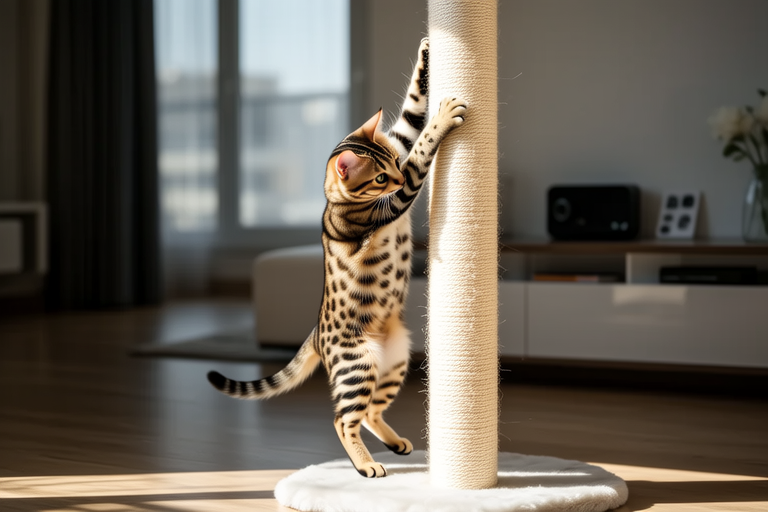
In addition to toys, setting up climbing structures or shelves around your home allows Bengals to explore and stay active. Encouraging your Bengal to climb and jump can also help develop their muscles and improve their agility. Remember, the key is to keep them engaged and entertained throughout the day.
Training Methods for Bengal Cats
Training your Bengal cat can be a rewarding experience. Positive reinforcement techniques, such as treats and praise, work well for teaching basic commands or encouraging good behavior. Bengals are highly intelligent and can learn quickly, but they may also get bored easily, so variety in training sessions is important.
Some owners find clicker training effective for Bengals. This method involves clicking a small device to mark desired behaviors, followed by a treat. Over time, the cat associates the click with positive reinforcement, making it easier to teach new tricks or discourage unwanted behaviors.
Common Health Issues in Bengal Cats
Like all breeds, Bengals can be prone to certain health issues. Regular veterinary check-ups are essential to catch any problems early and maintain overall health. Some common concerns include:
- Hypertrophic cardiomyopathy (HCM): A heart disease that affects the muscle walls of the heart.
- Progressive retinal atrophy (PRA): A degenerative eye disorder that can lead to blindness.
- Patellar luxation: A condition where the kneecap dislocates from its normal position.
Discuss these potential health risks with your veterinarian and follow their recommendations for prevention and management. Early detection and treatment are critical for managing these conditions effectively.
Integrating a Bengal Cat into Your Home Environment
Bringing a Bengal cat into your home requires careful preparation to ensure a smooth transition. Bengals are adaptable but can be sensitive to sudden changes. Gradually introducing them to new environments, people, and other pets helps reduce stress and anxiety.
Create a comfortable space for your Bengal cat, complete with a cozy bed, scratching posts, and hiding spots. Provide them with plenty of mental stimulation through interactive toys and puzzles. Establish a routine for feeding, playtime, and grooming to give your Bengal a sense of security and predictability.
The Importance of Mental Stimulation and Veterinary Check-Ups
Mental stimulation is just as important as physical exercise for Bengals. Engage your cat in activities that challenge their minds, such as puzzle feeders or interactive games. This not only keeps them entertained but also promotes cognitive development and reduces behavioral issues.
Regular visits to the vet are crucial for maintaining your Bengal’s health. Schedule annual check-ups and discuss any concerns you have with your veterinarian. Early intervention can prevent minor issues from becoming major health problems. Vaccinations, dental care, and parasite control should also be part of your Bengal’s routine healthcare.
In conclusion, living with a Bengal cat is a rewarding experience filled with joy, excitement, and companionship. By understanding their unique needs and providing proper care, you can ensure your Bengal cat lives a long, healthy, and happy life. With the right balance of attention, exercise, and medical care, you’ll have a loyal and loving companion who brings endless entertainment and affection into your home.
