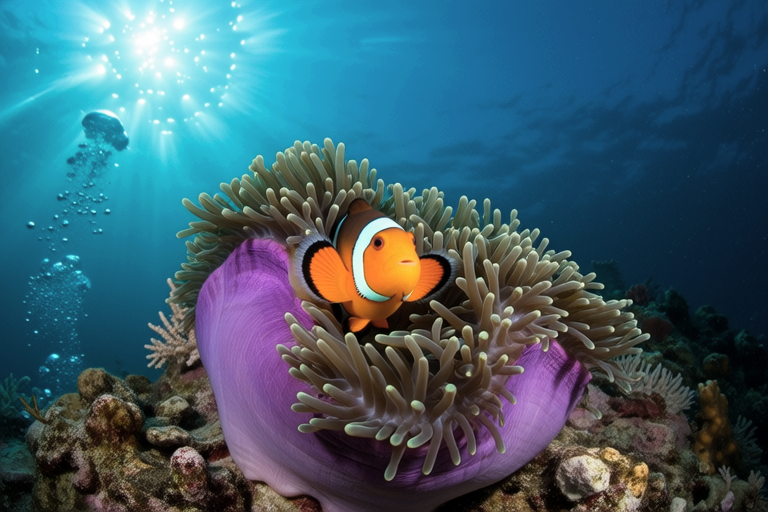
Unveiling the Clownfish Habitat: Tips for Setting Up an Ideal Tank Environment
Introduction:
Clownfish, or anemonefish, have captured the hearts of aquarium enthusiasts and casual observers alike since their star turn in the animated film Finding Nemo. These vibrant, orange-and-white striped fish are not only visually appealing but also relatively hardy and easy to care for, making them a popular choice for both novice and experienced aquarists. However, setting up an ideal tank environment for clownfish requires more than just a tank and some water. Understanding their specific needs is crucial for ensuring their long-term health and well-being.
Native to the warm waters of the Pacific and Indian Oceans, clownfish have adapted to thrive in coral reefs and lagoons. Their unique relationship with sea anemones, where they find protection from predators and food, is one of nature’s most fascinating symbiotic relationships. In captivity, recreating this natural habitat is essential to provide these fish with a healthy and stimulating environment.
The Ideal Water Parameters:
Clownfish are sensitive to changes in their environment, so maintaining stable water parameters is critical. The ideal temperature for clownfish ranges between 76°F and 82°F (24°C to 28°C). A consistent temperature is key to preventing stress and disease. The pH level should be kept between 8.1 and 8.4, reflecting the slightly alkaline nature of their natural habitat. Salinity, measured in specific gravity, should be maintained at around 1.023 to 1.025. Regular testing and adjustment of these parameters are necessary to ensure a stable environment.
Selecting the Right Tank Size and Shape:
The tank size and shape play a significant role in the overall well-being of your clownfish. For a single pair of clownfish, a minimum tank size of 20 gallons is recommended. Larger tanks, around 55 gallons or more, offer more space for swimming and are better suited for multiple pairs or other tankmates. The shape of the tank can influence water flow and oxygenation. Long, rectangular tanks are preferable as they provide ample swimming area and better water circulation.
Importance of Proper Filtration and Water Circulation Systems:
Adequate filtration and water circulation are vital for maintaining water quality and promoting the health of your clownfish. Filters should be capable of handling the entire volume of the tank several times per hour. Sponge filters are particularly beneficial as they provide mechanical, biological, and sometimes chemical filtration. Additionally, a good water circulation system ensures that oxygen-rich water reaches all parts of the tank, reducing dead zones and promoting overall water quality.
Appropriate Lighting Conditions and Photoperiods:
Clownfish require adequate lighting to simulate their natural environment and maintain their circadian rhythms. Full-spectrum LED lights are highly recommended as they mimic sunlight and support the growth of any live plants or corals you may include. A photoperiod of approximately 10 to 12 hours per day is optimal, allowing for a balanced day-night cycle that helps regulate feeding and breeding behaviors.
Creating Hiding Spots and Open Swimming Areas:
In the wild, clownfish seek refuge within the tentacles of sea anemones. In captivity, it’s important to provide similar hiding spots to make them feel secure. Decorations such as PVC pipes, caves, and rock structures can serve as effective hiding places. Additionally, incorporating open swimming areas is essential for clownfish to exercise and explore. Plants like java moss or seagrass can be used to create natural-looking hideouts while enhancing the aesthetic appeal of the tank.
Suitable Tank Mates for Clownfish:
Choosing the right tank mates for your clownfish is crucial for maintaining harmony within the tank. Clownfish generally get along well with other peaceful species that share similar water parameter requirements. Good companions include small, non-aggressive fish like damsels, gobies, and wrasses. It’s important to avoid aggressive or territorial fish that might bully or compete for resources. Additionally, clownfish should be introduced to the tank first to establish themselves before adding other fish.
Potential Dangers to Avoid:
Several factors can pose threats to the health of your clownfish. Overfeeding can lead to poor water quality and obesity, so it’s essential to feed them a balanced diet consisting of high-quality flake food, frozen foods, and occasional live foods. Excessive handling or overcrowding can also cause stress, weakening their immune systems and making them more susceptible to diseases. Regular observation and prompt action when signs of distress are noticed are key to preventing serious issues.
Maintenance Tips for Long-Term Health:
To ensure the long-term health of your clownfish, regular maintenance is essential. Weekly partial water changes of about 10-20% help remove accumulated toxins and replenish essential minerals. Monitoring water quality by regularly testing for ammonia, nitrite, and nitrate levels is crucial. Maintaining a clean filter and replacing filter media as needed keeps the filtration system efficient. Regularly inspecting the tank for algae growth and addressing it promptly prevents excessive accumulation.
Conclusion:
Setting up an ideal tank environment for clownfish involves understanding their specific needs and replicating their natural habitat as closely as possible. By focusing on water parameters, tank size, filtration, lighting, and tank mates, you can create a thriving and beautiful aquatic ecosystem. With proper care and maintenance, your clownfish will not only survive but also thrive, bringing joy and fascination to your aquarium hobby for years to come.
