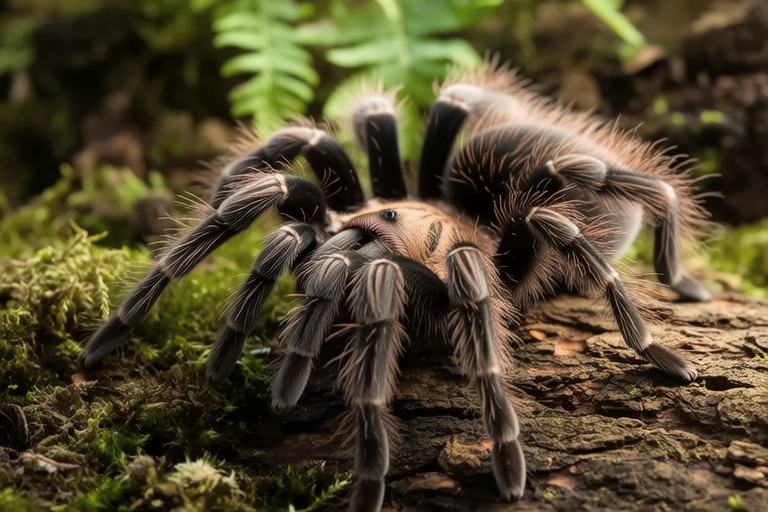
Adventures in Spiderland: Raising a Happy and Healthy Tarantula
Welcome to the fascinating world of tarantulas! These captivating creatures have long intrigued pet enthusiasts with their unique appearance and relatively low maintenance requirements. If you’re considering adding a tarantula to your family or already have one, this guide will help you understand the ins and outs of tarantula ownership. From setting up the perfect habitat to recognizing signs of a healthy spider, we’ll cover everything you need to know to ensure your tarantula lives a long and happy life.
The Unique Joys and Challenges of Owning a Tarantula
Owning a tarantula can be a rewarding experience. These spiders are often docile and, when handled correctly, can even become somewhat interactive. However, they do come with some unique challenges. One of the most significant challenges is understanding their specific needs. Unlike many other pets, tarantulas require a very specific environment to thrive, which can take some getting used to.
My first tarantula, a Chilean rose tarantula named Rosie, was a delightful companion. She taught me the importance of patience and observation. Watching her grow and adapt to her new home was a magical experience. However, I also learned that tarantulas are solitary animals and prefer to be left alone most of the time. This means that while they may not be the most interactive pets, they offer a different kind of companionship—one built on respect and understanding.
Suitable Habitats for Your Tarantula
The first step in ensuring your tarantula’s happiness is creating a suitable habitat. A well-designed enclosure provides a safe and comfortable space for your spider to thrive. The ideal setup includes a glass or acrylic tank with a secure lid to prevent escapes. Tanks should be large enough to allow your tarantula room to move around comfortably. For smaller species like the Chilean rose tarantula, a 5-gallon tank is usually sufficient. Larger species, such as the Goliath birdeater, require much larger enclosures.
Substrate is another crucial element of your tarantula’s habitat. A layer of coconut fiber or bark chips works well as it retains moisture and mimics the natural environment of many tarantulas. Adding a shallow water dish and a few hiding spots made from cork bark or small, hollow logs will further enrich the enclosure.
Temperature and humidity levels are vital for your tarantula’s health. Most species prefer temperatures between 75°F and 85°F (24°C to 29°C) and humidity levels ranging from 60% to 80%. Use a thermometer and hygrometer to monitor these conditions and adjust as necessary.
Diet Specifics: What Do Tarantulas Eat?
Tarantulas are carnivorous and require a varied diet to stay healthy. Insects such as crickets, mealworms, and dubia roaches are excellent choices. The size of the prey should be appropriate for your tarantula’s age and size. Feeding too large a prey item can cause injury or stress. As a general rule, prey items should be no wider than the width of the tarantula’s carapace.
Feeding frequency depends on the species and age of your tarantula. Younger tarantulas generally eat more frequently, sometimes every few days, while adults may only need to be fed once a week. Always remove uneaten prey after a reasonable amount of time to avoid stressing your tarantula or causing hygiene issues in the enclosure.
Handling Techniques: How to Interact with Your Tarantula
While tarantulas are not typically aggressive, they can feel threatened if handled improperly. Always approach your tarantula calmly and gently. Use a long-handled tongs or a soft brush to gently coax them out of their hiding spot. Never grab or squeeze your tarantula; instead, let it walk onto your hand or a transfer stick. Be patient and give your tarantula time to acclimate to your presence.
Some tarantulas may flick urticating hairs when they feel threatened. These hairs can irritate human skin and eyes, so it’s best to handle your tarantula with care and wear protective eyewear if necessary. Over time, many tarantulas become accustomed to gentle handling and may even enjoy regular interactions with their owner.
Common Health Issues and Preventative Measures
Like all animals, tarantulas can suffer from various health issues. Some of the most common problems include dehydration, mite infestations, and digestive issues. Dehydration can occur if the humidity levels in the enclosure are too low. Regularly misting the substrate and providing a shallow water dish can help prevent this issue.
Mites are tiny parasites that can infest tarantulas, causing discomfort and potentially spreading disease. To prevent mites, always quarantine new tarantulas and thoroughly clean any equipment before introducing it to your established enclosure. Signs of a mite infestation include small black specks moving on your tarantula’s body or in the substrate.
Signs of digestive issues include regurgitation, lack of appetite, or difficulty passing waste. If you notice these symptoms, reduce feeding frequency and consult a veterinarian specializing in exotic pets.
Signs of a Happy and Healthy Tarantula
A happy and healthy tarantula will exhibit several key behaviors. They should be active during the day, exploring their enclosure and interacting with their environment. A healthy tarantula will also eat regularly and show no signs of lethargy or weakness. Their exoskeleton should be smooth and shiny, without any discoloration or signs of injury.
One of the most exciting signs of a healthy tarantula is molting. During this process, the tarantula sheds its old exoskeleton to reveal a new, larger one. It’s important to minimize disturbances during this sensitive period and ensure the enclosure remains humid. After molting, your tarantula may appear sluggish for a few days as it adjusts to its new exoskeleton.
Conclusion: Embracing the Adventure of Tarantula Ownership
Owning a tarantula is a unique and rewarding experience. With proper care and attention, your tarantula can live a long and healthy life. Remember that each tarantula is an individual, and what works for one may not work for another. Stay observant, be patient, and always prioritize your tarantula’s well-being.
My journey with Rosie taught me the value of dedication and patience. By learning about her needs and providing a loving environment, I was able to form a special bond with my spider. Whether you’re a seasoned tarantula owner or just starting out, there’s always something new to discover in the wonderful world of tarantulas.
