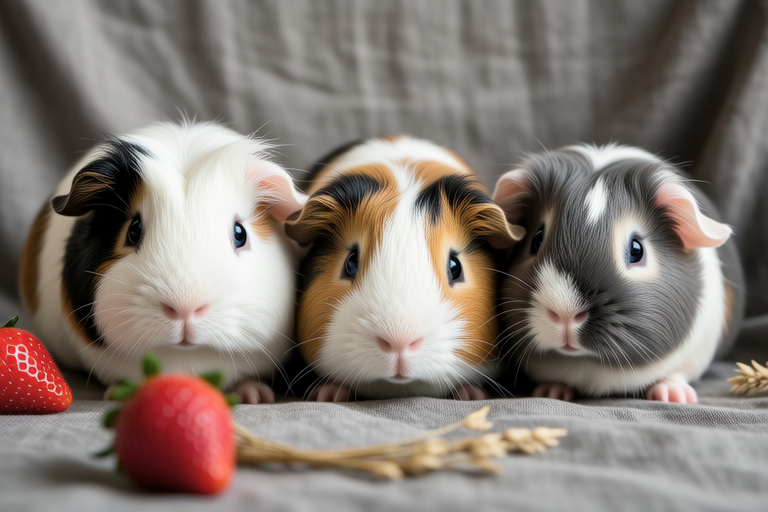
Adorable Guinea Pigs: The Cutest Pets You Can Adopt Today
Welcome to the delightful world of guinea pigs! These small, charming creatures have captured the hearts of many pet lovers around the globe. Known for their gentle nature and playful antics, guinea pigs make excellent companions for families and individuals alike. Their unique appearance, combined with their affectionate and social behavior, makes them one of the most sought-after pets today.
In this article, we will explore why guinea pigs are such wonderful pets, delve into their appearance, discuss their temperament, and provide essential information on care requirements. We’ll also cover common health issues and highlight the importance of proper diet, housing, and social interaction. Finally, we’ll offer some tips for choosing and adopting a healthy guinea pig, ensuring you’re well-prepared for your new furry friend.
The Appealing Appearance of Guinea Pigs
Guinea pigs, or cavies, come in various breeds, each with its own distinct characteristics. They typically weigh between 700 grams and 1 kilogram and measure about 20 to 25 centimeters in length. Their short, soft fur can be found in a wide array of colors and patterns, from solid white to multicolored coats with spots and stripes.
One of the most endearing features of guinea pigs is their expressive faces. With large, round eyes and tiny, twitching noses, they seem perpetually curious about their surroundings. Their ears, while relatively small, are highly sensitive and play a crucial role in detecting sounds and vibrations. Guinea pigs also possess strong hind legs that allow them to hop quickly when necessary, though they usually move by running or scurrying along the ground.
Some breeds, like the Abyssinian, have rosette markings, which are circular tufts of hair scattered across their bodies. Others, such as the Peruvian, have long, flowing coats that reach the ground, while Rex guinea pigs have a shorter, curly coat. Regardless of breed, all guinea pigs share the same charming appearance that has made them so popular among pet owners.
Temperament: Gentle and Social Creatures
Guinea pigs are renowned for their calm and gentle demeanor. They are not only easy to handle but also enjoy human company. These sociable animals thrive on interaction and often form strong bonds with their owners. They tend to recognize familiar faces and voices, responding positively to gentle handling and attention.
While they may occasionally display signs of nervousness or anxiety, especially if startled, guinea pigs generally remain calm and composed. They are not territorial and rarely exhibit aggressive behavior towards humans or other pets. This makes them ideal pets for households with children, as they are patient and tolerant of gentle handling.
It’s important to note that guinea pigs are herd animals by nature and prefer to live in pairs or groups. Keeping a single guinea pig can lead to loneliness and stress, which may negatively impact their overall health and well-being. Therefore, it is recommended to adopt at least two guinea pigs to ensure they have company and companionship.
Care Requirements: Providing a Happy Home
To keep your guinea pigs happy and healthy, it’s essential to meet their basic needs for housing, diet, and social interaction. Proper care starts with providing a suitable living environment that mimics their natural habitat as closely as possible.
Housing
Guinea pigs require spacious living quarters that allow ample room for movement and exploration. A cage measuring at least 80 cm x 40 cm per guinea pig is recommended. The cage should have a solid bottom to prevent injury from wire flooring and should be lined with soft bedding, such as hay or shredded paper. It’s important to avoid using cedar or pine shavings, as these can cause respiratory issues.
The cage should be placed in a quiet area away from drafts and direct sunlight. Ensure there are plenty of hiding spots, tunnels, and toys to keep your guinea pigs entertained. Regular cleaning is crucial to maintain hygiene; spot clean daily and perform a thorough cleaning once a week.
Diet
A balanced diet is key to maintaining your guinea pig’s health. Their diet should consist primarily of grass hay, which aids digestion and prevents dental problems. Fresh vegetables, particularly leafy greens like romaine lettuce, kale, and spinach, should be offered daily. Pellets formulated specifically for guinea pigs should make up a smaller portion of their diet, as they provide essential nutrients.
Vitamin C is particularly important for guinea pigs, as they cannot produce it themselves. Offer foods rich in vitamin C, such as bell peppers, strawberries, and oranges, or consider supplementing with a water-soluble vitamin C tablet. Avoid feeding them foods high in sugar or fat, as these can lead to obesity and other health issues.
Social Interaction
As social animals, guinea pigs need regular interaction and mental stimulation. Spend time with your guinea pigs every day, allowing them to explore outside their cage under supervision. Use positive reinforcement techniques to encourage good behavior and build trust. Interactive toys, such as tunnels and chew toys, can help keep them mentally engaged and prevent boredom.
Providing a companion for your guinea pig is equally important. As mentioned earlier, guinea pigs are happiest when they have a friend to interact with. Introduce new guinea pigs gradually to ensure compatibility and prevent aggression.
Common Health Issues
Like any pet, guinea pigs can face certain health challenges. Being aware of these issues and taking preventive measures can help ensure your pet remains healthy and happy.
Dental Problems
One of the most common health issues in guinea pigs is dental disease. Their teeth grow continuously throughout their lives, and if not worn down properly, they can become overgrown. Provide plenty of hay and chew toys to help wear down their teeth naturally. Regular veterinary check-ups are also essential to monitor dental health.
Respiratory Infections
Guinea pigs are susceptible to respiratory infections, which can be caused by bacteria, viruses, or environmental factors. Symptoms include sneezing, runny nose, and difficulty breathing. Ensuring proper ventilation, avoiding drafts, and keeping the cage clean can help prevent these infections. If symptoms persist, consult a veterinarian immediately.
Obesity
Overfeeding and lack of exercise can lead to obesity, which increases the risk of other health problems. Stick to a balanced diet and limit treats to prevent weight gain. Encourage regular exercise by providing ample space for movement and stimulating toys.
Tips for Choosing and Adopting a Healthy Guinea Pig
When considering adopting a guinea pig, take the time to find a reputable breeder or shelter. Look for a facility that prioritizes the health and well-being of their animals and provides proper care and socialization.
- Check for Signs of Good Health: A healthy guinea pig has clear eyes, a shiny coat, and is active and alert. Check for any signs of illness, such as discharge from the eyes or nose, lethargy, or poor appetite.
- Observe Behavior: Watch how the guinea pig interacts with others and responds to handling. A confident and friendly demeanor is a good sign.
- Ask About Diet: Inquire about the diet provided to the guinea pigs and ensure it aligns with what you can offer at home.
- Consult a Veterinarian: Before bringing your new pet home, schedule a check-up with a veterinarian experienced in treating small mammals. This ensures any potential health issues are addressed early.
By following these tips, you can ensure you bring home a healthy and happy guinea pig ready to join your family.
