Rajah Cichlid Behavior Explained: What Every Fish Lover Should Understand
The world of freshwater aquariums is vast and diverse, offering enthusiasts a plethora of species to choose from. Among the many captivating fish, the Rajah cichlid (Aequidens rivulatus) stands out due to its unique characteristics and intriguing behaviors. This article aims to provide an in-depth exploration of Rajah cichlid behavior, detailing their natural habitat, common behaviors, and essential care tips for maintaining a healthy environment.
Unique Characteristics of Rajah Cichlids
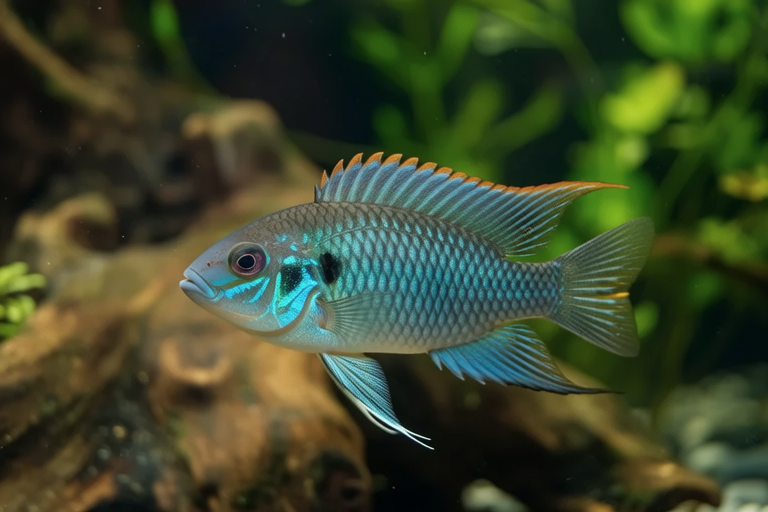
Rajah cichlids, also known as Red-Eyed Cichlids, are native to the Amazon River Basin in South America. These fish are renowned for their striking appearance, featuring vibrant colors that range from deep reds to bright yellows and greens. Their most distinctive feature is their large, round eyes, which give them excellent vision and contribute significantly to their predatory prowess.
Scientifically classified under the genus Aequidens, Rajah cichlids belong to the family Cichlidae, one of the largest families of freshwater fishes. They are known for their robust bodies, strong jaws, and sharp teeth, all of which are adaptations for their carnivorous diet and territorial nature.
Natural Habitat and Its Influence on Behavior
The natural habitat of Rajah cichlids plays a crucial role in shaping their behavior. Originating from the Amazon River Basin, these fish thrive in densely vegetated waters with numerous hiding spots and abundant food sources. The Amazon’s warm, nutrient-rich waters provide ideal conditions for the growth of algae, insects, and small aquatic organisms, which form the basis of the Rajah cichlid’s diet.
In their natural environment, Rajah cichlids live in groups but are highly territorial. They establish dominance hierarchies within their social structures, often engaging in aggressive displays to defend their territory or secure mates. Understanding these behavioral patterns is essential for replicating a suitable environment in captivity.
Common Behaviors of Rajah Cichlids
Aggression
One of the most notable behaviors of Rajah cichlids is their tendency towards aggression. This trait is particularly evident during feeding times and when establishing territories. Male Rajah cichlids can become especially aggressive during breeding seasons, often displaying territorial behavior that involves chasing off intruders and engaging in physical confrontations.
Studies have shown that aggression in Rajah cichlids is influenced by environmental factors such as overcrowding, poor water quality, and insufficient hiding places. Ensuring a spacious tank with adequate hiding spots can help mitigate aggressive tendencies.
Mating Rituals
Rajah cichlids exhibit complex mating rituals that involve courtship displays and nest-building activities. During courtship, males will perform elaborate swimming patterns and display vibrant coloration to attract females. Once a pair bond has been established, the female will lay eggs in a carefully constructed nest, usually near rocks or plants.
Male Rajah cichlids play an active role in protecting the eggs and fry. They guard the nest against potential predators and fan the eggs with their fins to promote oxygen circulation and prevent fungal growth. This parental care is crucial for the survival of the offspring.
Parental Care
After the eggs hatch, the fry remain attached to the substrate for several days until they develop swim bladders. During this period, both parents continue to protect the young, ensuring their safety from harm. As the fry grow, they become more independent, eventually dispersing from the nest to explore their surroundings.
Research indicates that parental care in Rajah cichlids is closely tied to environmental stability. Providing a stable and nurturing environment can enhance the success rate of reproduction and the survival of the offspring.
Tips for Maintaining a Healthy Environment
Tank Setup
To replicate the natural habitat of Rajah cichlids, it is essential to create a well-planned tank setup. A minimum tank size of 75 gallons is recommended to accommodate the fish’s size and activity level. The tank should be equipped with plenty of hiding spots, such as caves, rocks, and dense vegetation. These features not only provide shelter but also reduce stress levels among the fish.
Water parameters should be maintained at the following levels:
- Temperature: 75-82°F (24-28°C)
- pH: 6.0-7.5
- Hardness: 5-15 dGH
- Ammonia and Nitrite: 0 ppm
- Nitrate: Below 20 ppm
Regular water changes are crucial to maintaining optimal water quality. Aim for weekly water changes of approximately 20% to prevent the buildup of harmful substances.
Diet
Rajah cichlids are omnivorous, meaning they consume both plant matter and animal protein. In the wild, their diet consists of insects, small crustaceans, and algae. In captivity, a balanced diet can be achieved by providing a variety of high-quality commercial foods, such as pellets, flakes, and frozen or live foods.
It is advisable to offer a mix of meaty foods like bloodworms, brine shrimp, and daphnia, along with plant-based options such as spirulina flakes and blanched vegetables. Feeding once or twice daily in small portions helps prevent overfeeding and promotes better digestion.
Companionship Needs
Rajah cichlids are semi-aggressive fish and require careful selection of tankmates. Suitable companions include other robust, similarly sized species that can hold their own in the tank. Some compatible choices include other cichlids, such as angelfish and discus, as well as robust tetras like black skirts and serpa tetras.
It is important to avoid keeping Rajah cichlids with slow-moving or delicate species, as they may become targets of aggression. Additionally, maintaining a male-to-female ratio of approximately 1:1 can help reduce territorial disputes and promote peaceful coexistence.
Observing and Understanding Rajah Cichlid Behaviors
Understanding Rajah cichlid behaviors is key to optimal aquarium management. Regular observation allows you to monitor the health and well-being of your fish, identify potential issues early, and adjust tank conditions as needed.
Pay attention to signs of stress or illness, such as lethargy, loss of appetite, or abnormal swimming patterns. Address any concerns promptly by improving water quality, adjusting diet, or consulting a veterinarian specializing in exotic fish.
Encouraging natural behaviors, such as spawning and parental care, can enrich the experience of owning Rajah cichlids. Providing ample space, suitable hiding spots, and a varied diet can stimulate these behaviors and promote a thriving aquarium environment.
In conclusion, Rajah cichlids are fascinating creatures with unique behaviors shaped by their natural habitat. By understanding their needs and providing a suitable environment, you can ensure the health and happiness of these magnificent fish. With proper care and attention, Rajah cichlids can become a delightful addition to any freshwater aquarium.
